
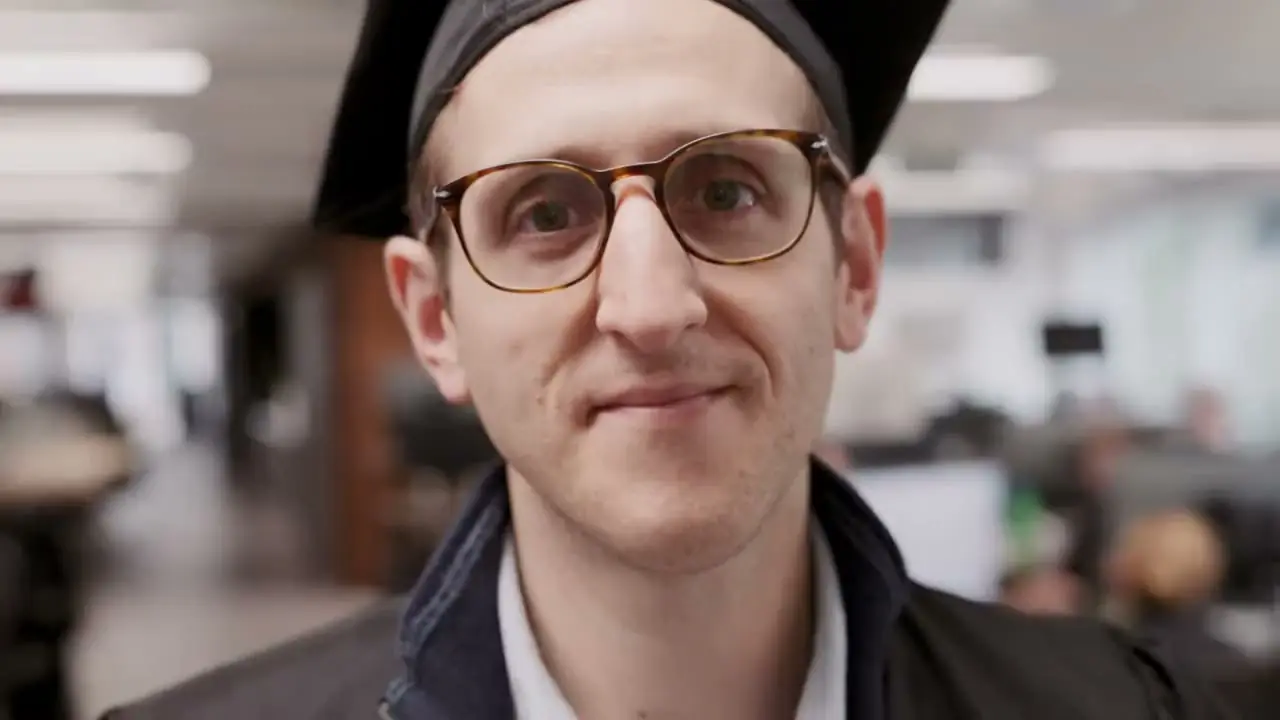
Interview Filming for Businesses
Nearly all of the people we film tell us they'll be terrible at it. What changes that is mostly the room: two people and a conversation feel like talking, while eight people and a list of questions feel like an examination. Interview filming is most of what we do, for recruitment films, testimonials, case studies and who we are films, and if the interview is good the edit has something to work with.
A thirty minute conversation with the team. No obligation.
We treat the interview as the job, not as the bit before the real filming starts.
What an interview videographer does on the day
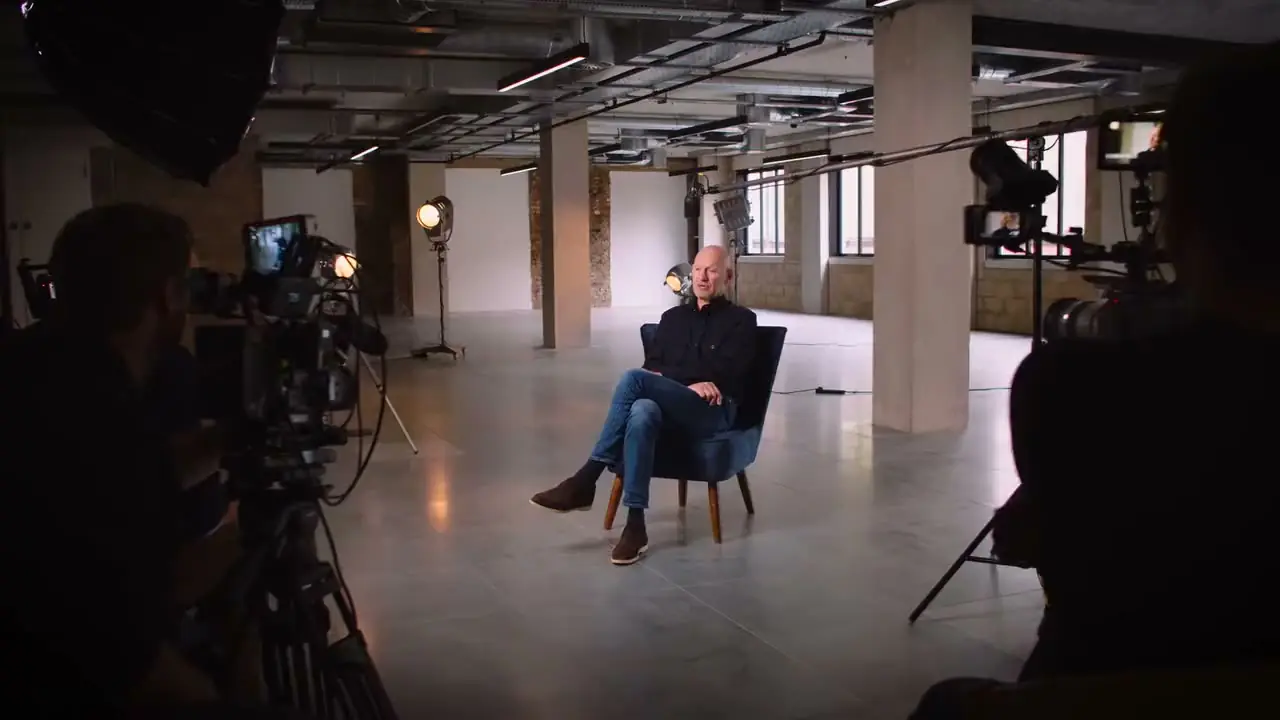
The crew is usually small, a director on camera and a sound recordist, with more people only when the brief needs them. Small matters, because a room with two people in it feels like a conversation and a room with eight feels like an examination.
Everything is lit and the sound is checked before the contributor sits down, so nobody waits under the lights while we move a stand. The director asks the questions and holds the conversation, rather than reading from a list. Where the edit will need it, a second camera takes a closer angle, which also lets us cut a long answer down without a jump. And we film the contributor at work or in their own space too, so the finished film isn't one face talking for three minutes.
If you've searched for an interview videographer and found tips for job interviews instead, this is the other kind: filmed interviews for businesses, charities and schools.
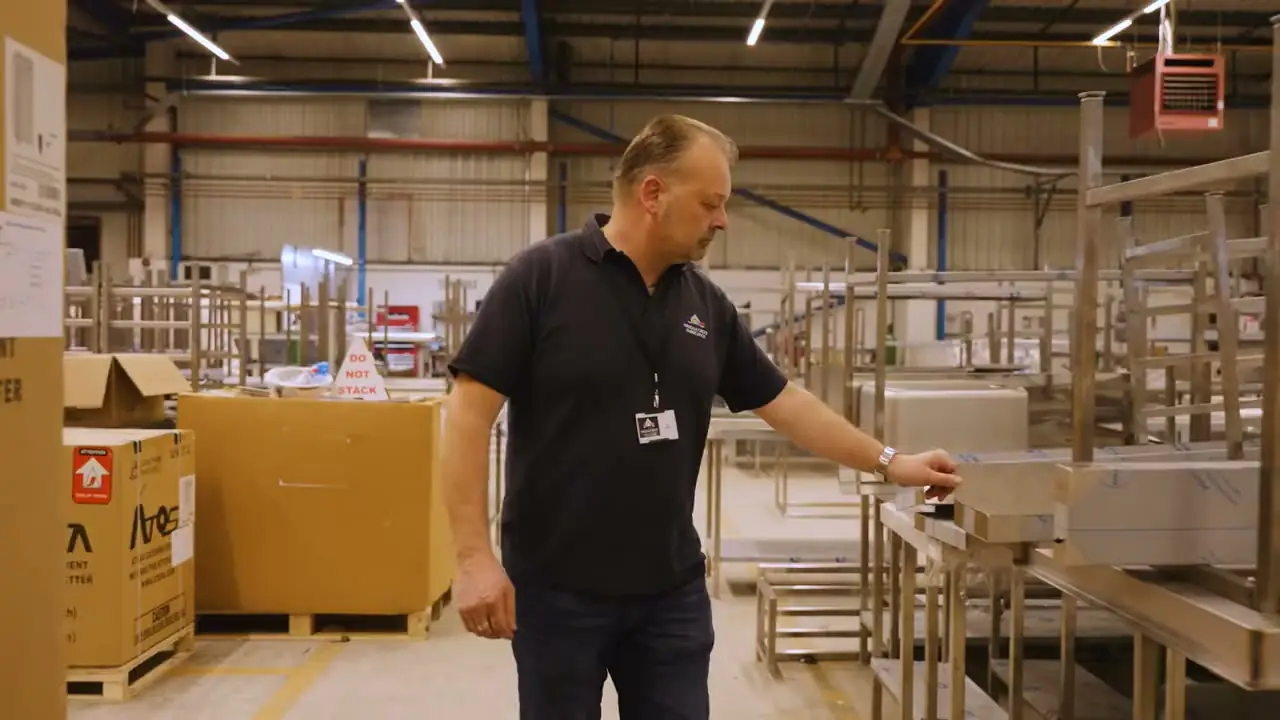
Staff, chief executives and clients who have never been filmed
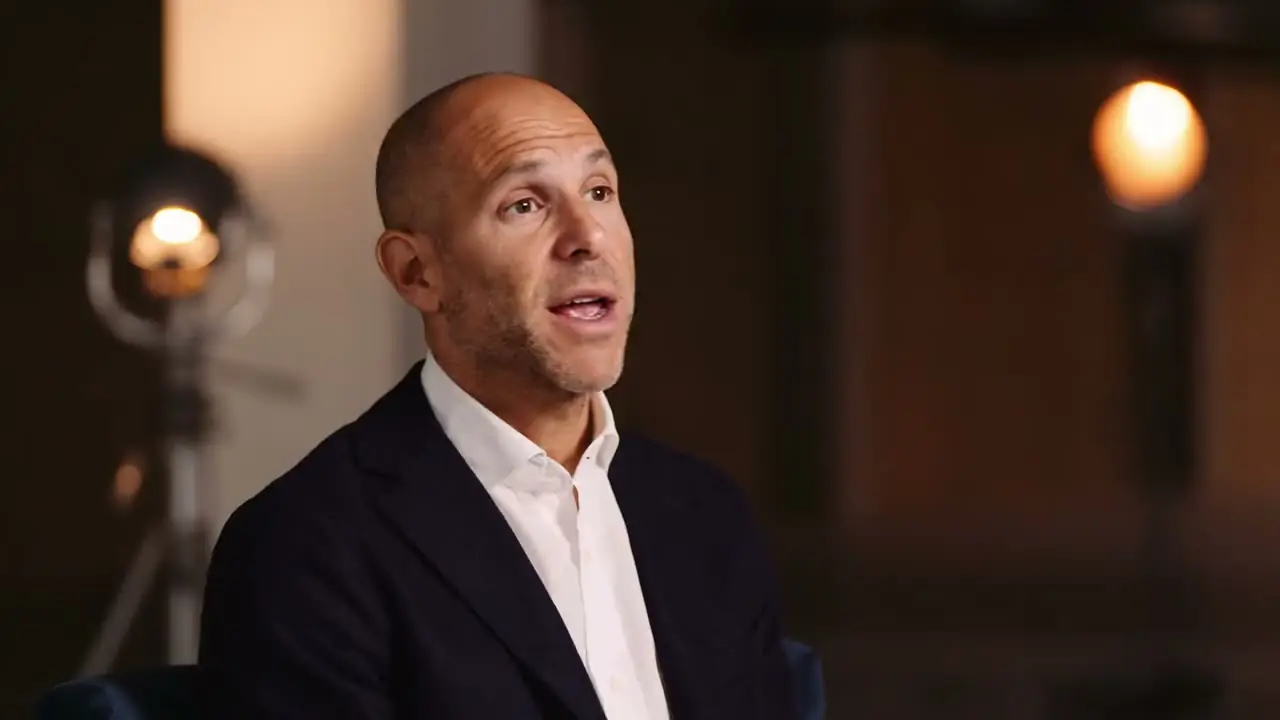
The contributors who make the best films are rarely the ones who are used to cameras. For the OakNorth recruitment film, only one of the people we filmed was a performer. Everyone else was somebody who works at the bank and had a real reason for joining, and over two days the crew went to each of them, in the place they do their best work.
For Rubicon Partners, the interviews were with chief executives and finance directors of the businesses the firm backs, filmed on their own sites in Liverpool, Essex, Leeds and Nottingham. These are people who run industrial companies, not people who talk to camera for a living. Most of the work on the day was making each interview feel like a conversation, so that what they said sounded like them.
"...nurture the most nervous interviewees into becoming excellent communicators in a short space of time which is a rare skill."
Tom Hooker, award-winning lighting cameraman and DOP, on working on our shoots
The way we get there, the conversation before the camera appears and why we never hand anyone a script, is on never been on camera.
Where filmed interviews get used
Most of our interview filming ends up in one of a few places. A recruitment or culture film lets candidates hear from the people they'd work with. A testimonial or case study film puts a client on camera saying why they chose you, as in the ASK Partners investor films. A who we are film tells your story through the people you work with rather than through your own claims. And short talking head videos, one person and one point, work on LinkedIn and on the pages of your website where somebody needs reassuring before they get in touch.
Tell us every place the interviews will be used before the shoot, and we'll write the questions for all of them. If four people are being interviewed anyway, the questions a second film would need add minutes, not another day, so a recruitment film and a set of testimonials can come from the same shoot.
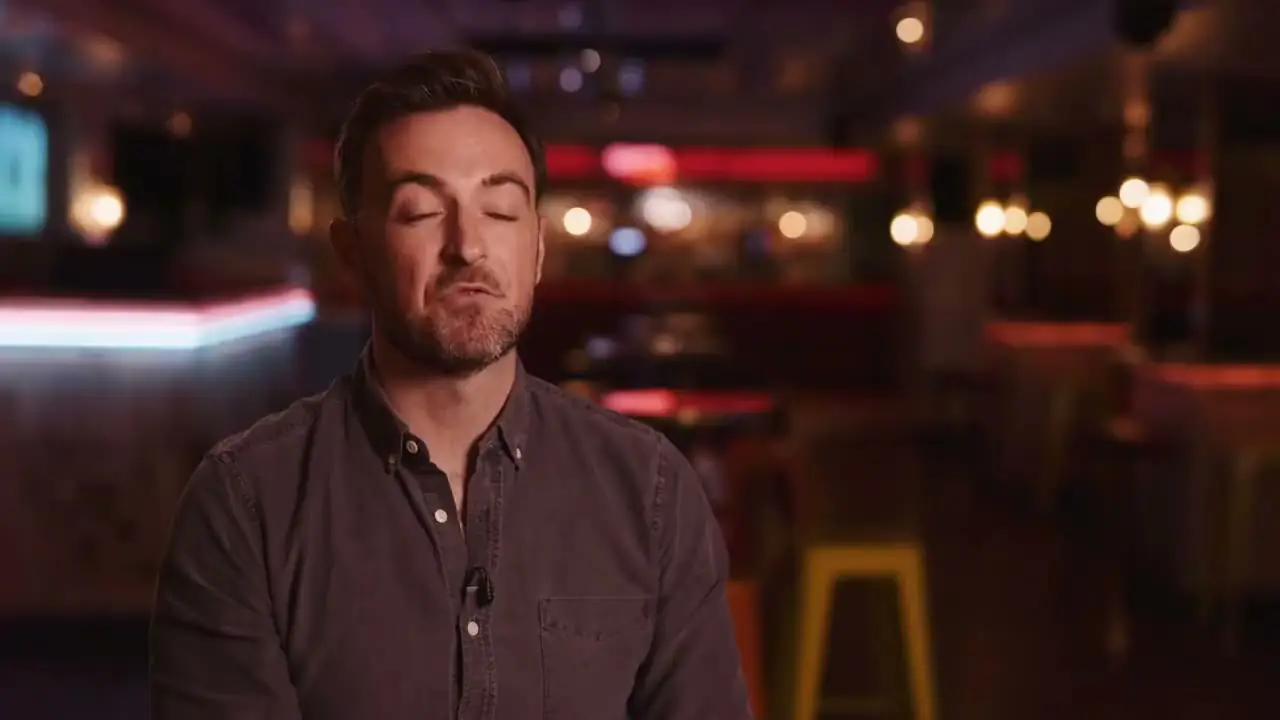
Talking head videos
A talking head video is the simplest film there is: one person, one point, straight to camera or just off it. They work on LinkedIn, on a service page, or at the top of a proposal, and they're quick to make once a crew is already set up for interviews. The same lighting and the same care apply, because a single face on screen has nowhere to hide.
From an hour of conversation to the minute that matters
A good interview runs long. Somebody warms up, wanders, and then says the thing that only they could say, usually twenty minutes in. The edit is where we find those moments and put them in an order that holds together.
You'll see a first cut before anything is finished, so your notes shape the film rather than correct it. After that it is graded and the sound is mixed, and you receive the main film, short cuts for social and a version with subtitles burnt in, because most people watch on mute.
FAQ
What does an interview videographer do?
An interview videographer lights and films a person talking on camera and holds the conversation that gets the best answers out of them. For businesses that usually means staff, clients or leaders who aren't performers.
How many crew do you need to film an interview?
Usually two, a director on camera and a sound recordist, with a second camera operator or a gaffer when the brief needs one. A small crew makes the room feel like a conversation rather than an examination, which matters most for the people who dread being filmed.
What is a talking head video?
A talking head video is one person making one point, straight to camera or just off it. They work on LinkedIn, on service pages and at the top of a proposal.
Do interviewees get a script?
No. Nobody learns lines. They are told what the conversation will cover, the director asks the questions in the room, and the answers are their own, so the person watching hears someone thinking rather than remembering.
Related services
Interview filming sits inside most of our video production services, especially testimonial video production, corporate video production and brand film production. If you're not sure which you need, the brief is a good place to start.
Tell us who needs to be on camera and what the film has to do. The first conversation is thirty minutes and free, and you'll get a straight answer on whether a film will help.
Work in this area
All the work. Films like these often sit alongside testimonial videos.
Three things people ask
- What does it cost?
- Most production companies won't tell you until you've had a call. What things cost
- How long does it take?
- Four to six weeks from brief to delivery, for most projects. How we work
This is one of the ways we work, and the whole range is on the video production services page. People reading about interview filming often go on to testimonial videos and corporate video. You can see the approach at work in the OakNorth case study, and for a sector where supporters and beneficiaries tell the story in their own words, read video production for charities. Guides that go with it: types of corporate video, how long a corporate video should be, choosing between an AI avatar and a real person and International Women's Day video ideas.
Tell us the problem.
We'll tell you honestly which kind of film would solve it, or whether a film is the answer at all. Thirty minutes with one of our team.
A thirty minute conversation with the team. No obligation.