
AI Avatar or a Real Person? Choosing a Presenter for Your Business Video
An AI avatar is a digital presenter, either a stock character or a copy of a real person built from a few minutes of footage, that reads whatever script you type. For some business videos it's the right choice, and we help companies build them. For others it quietly undoes the reason the film exists. The difference comes down to one question: does the viewer need to trust the person on screen?
Avatars have got good enough that this is now a real choice. In October 2025 Channel 4 broadcast a programme fronted by an AI presenter, and only revealed it at the end.
What an AI presenter does well
The case for an avatar is speed and repetition. Once it exists, a new film is a new script, with no shoot, no studio and nobody's diary to book. If a policy changes, you change the words and render it again.
That makes avatars strong for a particular kind of film. Internal updates that change every quarter are one. Training modules where the content matters far more than the presenter are another, and so is the same message in six languages, where re-recording a real person each time would be slow. If you're producing dozens of short, factual films a year and nobody will ever ask who's speaking, an avatar can save a great deal of time.
It's also useful when nobody suitable wants to be on camera. A digital twin of a senior person, built once with their permission, can deliver routine messages they'd never find time to record.
Where a real person wins
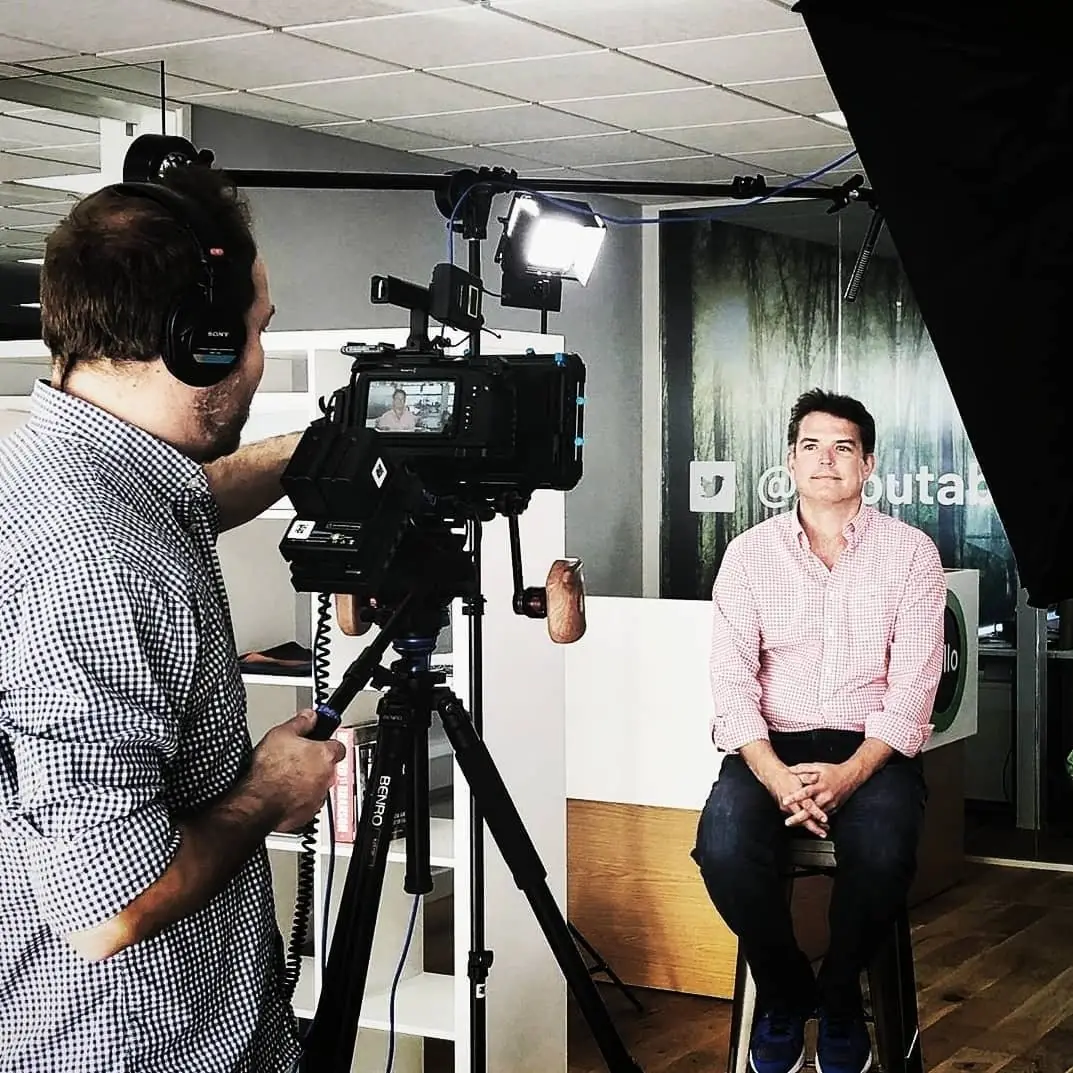
The moment a film is asking somebody to believe something, a real person does a job an avatar can't. A testimonial only works because a real client chose to say it. A recruitment film works because the people in it actually work there. A founder explaining why the company exists is persuasive because it's them, with their pauses and the thing they say slightly wrong.
Viewers are also getting better at spotting synthetic presenters, and searches in the UK for ways to check whether a video is AI have risen sharply over the last year. Our free is this video AI? checker is one answer to that. Once a viewer suspects the face isn't real, they start to wonder what else isn't. For a sales film or a pitch to investors, that doubt costs far more than a shoot day.
So the line is fairly clear. Avatars suit information, and people suit persuasion. A film whose job is to inform can use either, but one that has to win someone over needs a person.
The hybrid most businesses end up with
In practice the sensible answer is often both. The films that carry your reputation, like the brand film, the testimonials and the recruitment film, are made with real people. The films that carry routine information, like process updates and module refreshes, can be handled by an avatar, sometimes one built from the same people who appear in the real films.
That split also keeps the real films special. If everything a company publishes is synthetic, the human films lose their weight. If the avatar handles the admin, the people on screen are the ones with something to say.
If you do build an avatar
A few things make the difference between an avatar that works and one that makes people wince. The source footage matters, so it's worth filming the person properly, lit and recorded well, rather than from a laptop webcam. Write the scripts for speech, short and plain, because avatars struggle with long sentences and the tone of a written document. And tell viewers it's an avatar. Disclosure costs nothing and protects the trust you're trying to keep.
Get written permission from anyone whose likeness is used, covering what the avatar can say and for how long, and keep the real person able to withdraw it.

How to decide
Ask what the viewer has to do after watching. If they only need to know something, an avatar might be fine. If they need to trust you, hire you, join you or invest in you, put a real person on screen and film them well.
If you're weighing this up for a project, our interview filming page covers how we get people who aren't performers to come across as themselves, and the corporate video production page covers the wider range of films we make.
FAQ
Is an AI avatar cheaper than filming a real person?
For repeated, routine films it usually is, because each new film is a new script rather than a new shoot. For a single important film, the saving is small next to the risk of the audience not believing it.
Can an AI avatar be made of a real employee?
Yes. A digital twin can be built from a few minutes of good footage of a real person, with their written permission covering how it's used and for how long.
Should you tell viewers a presenter is AI?
Yes. Disclosure costs nothing, and audiences who find out later that they weren't told tend to distrust the whole film.
Which business videos should always use real people?
Testimonials, case studies, recruitment films and anything from a founder or leader where the point is that it's really them.
Bring us the problem. We'll make the film.
A thirty minute conversation with the team. No obligation.