
Types of Corporate Video: A Plain English Guide
"We need a corporate video" is one of the things new clients say most often, and it's a reasonable place to start. But corporate video covers a lot of ground, from a ninety-second testimonial to a set of training modules, and each one is made differently for a different audience. Knowing which one you need saves time and money, and stops you commissioning the wrong film. Here are the main types, what each one is for and where they tend to go wrong.
1. Brand film
A brand film shows something true about who an organisation is, usually through the people who work there. It's what you make when a brochure or a website can't get across what's different about you, and when you're asking people to trust you as well as notice you.
It works for prospects choosing between you and a competitor, and for new staff getting to know the place they've joined. The usual failure is a film that tells you things, like "we really care about our people", instead of showing them. A good brand film earns every claim it makes.
2. Testimonial and case study film
This is a real client on screen telling their own story. A testimonial is usually short, sixty to ninety seconds built around one story, while a case study film is longer and walks through the background, the approach and the result.
Written testimonials are easy to skim past. A person on screen talking about what changed is much harder to dismiss. That's why these films earn their keep in sales decks, on service pages and in follow-up emails to prospects who are close to deciding. The risk is the over-briefed subject, because a client who's been handed talking points will sound like it.

3. Explainer video
An explainer makes a complicated product, service or process clear, usually in two minutes or less. It can be animated, live action or a mix of both.
You need one when people arrive at a sales conversation not understanding what you do, or when your team spends the first twenty minutes of every call explaining the same thing. The commonest mistake is commissioning it as an animation project and deciding the visual style before the script exists. Get the script right first, every time.
4. Training video
Training video replaces or supports something people currently learn in a room, such as onboarding, compliance, product knowledge or health and safety. It pays off when the same training has to happen again and again, across lots of people or sites, and everyone needs to hear the same thing.
Not every training film should be a presenter in front of a plain wall reading a script. Pace and tone matter as much here as anywhere else, because a training film that feels like a punishment gets clicked through as fast as the player allows.
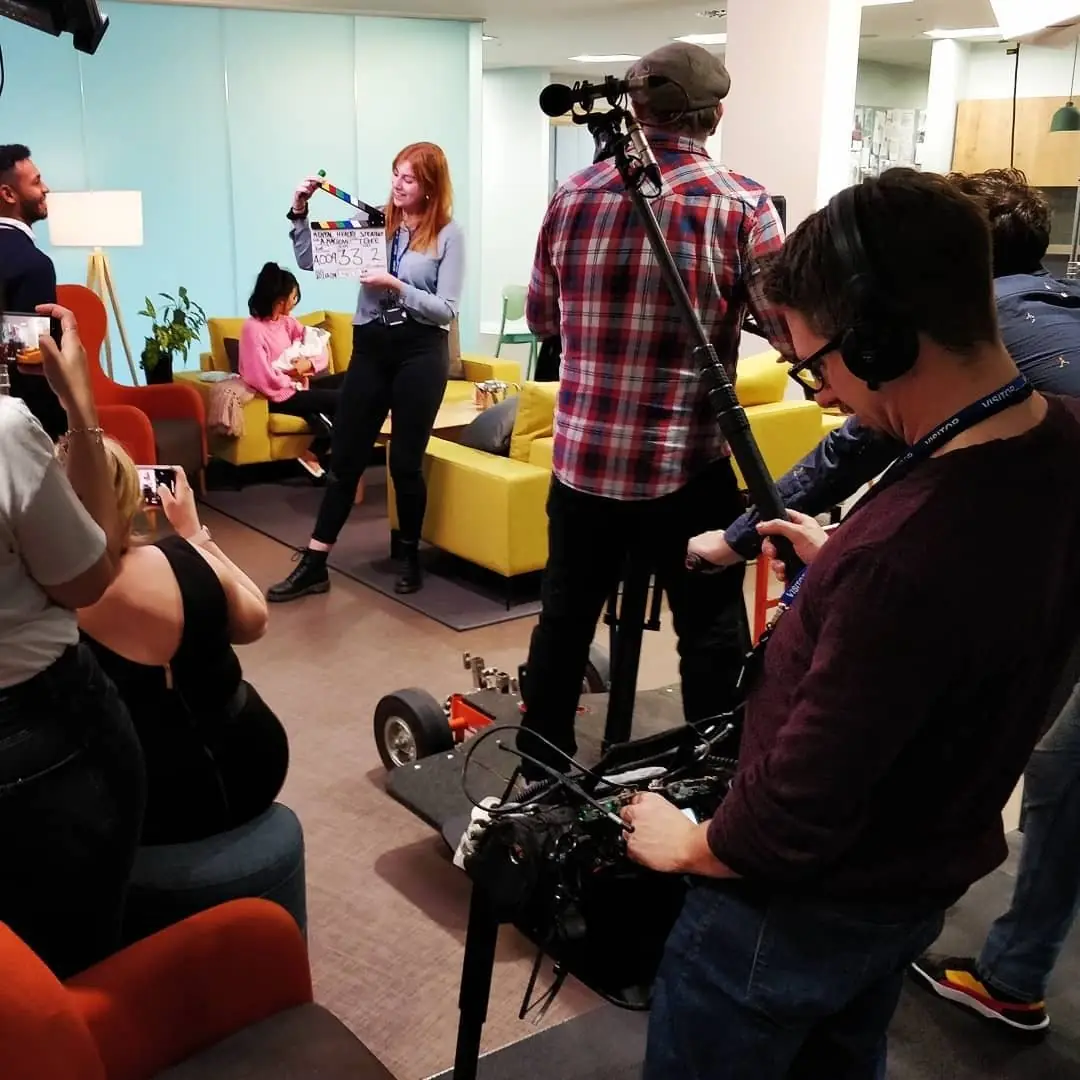
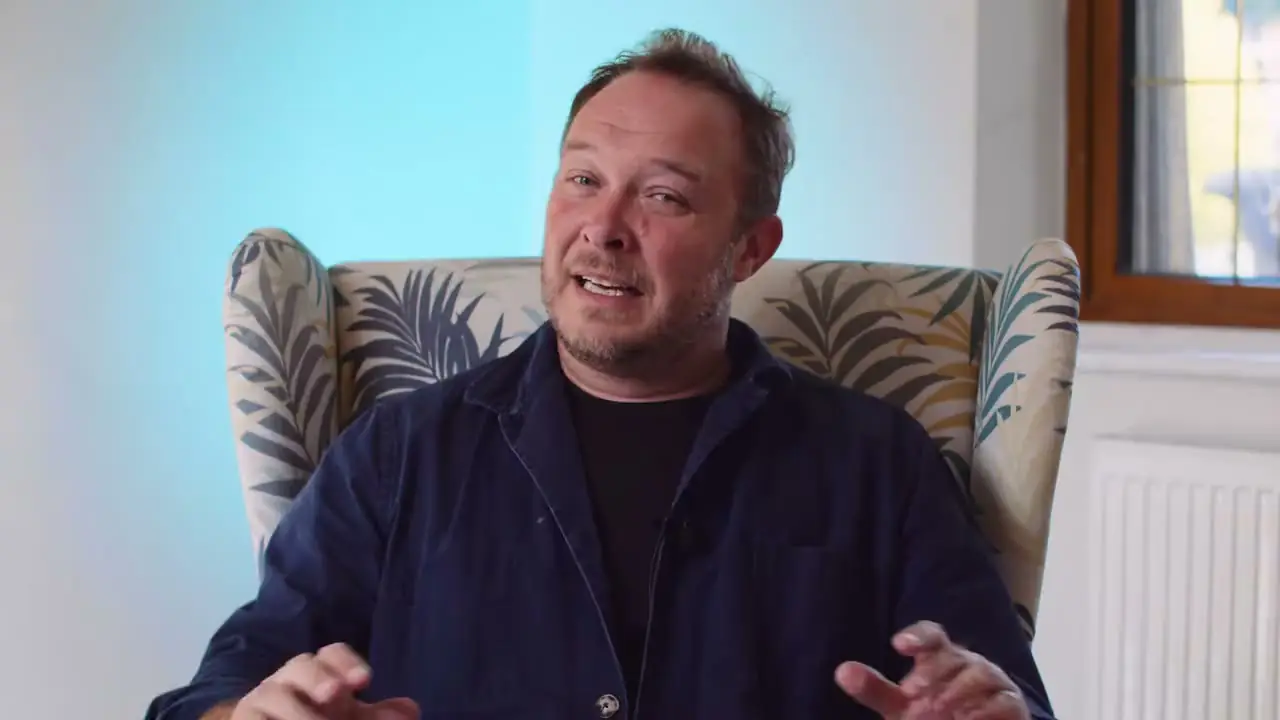
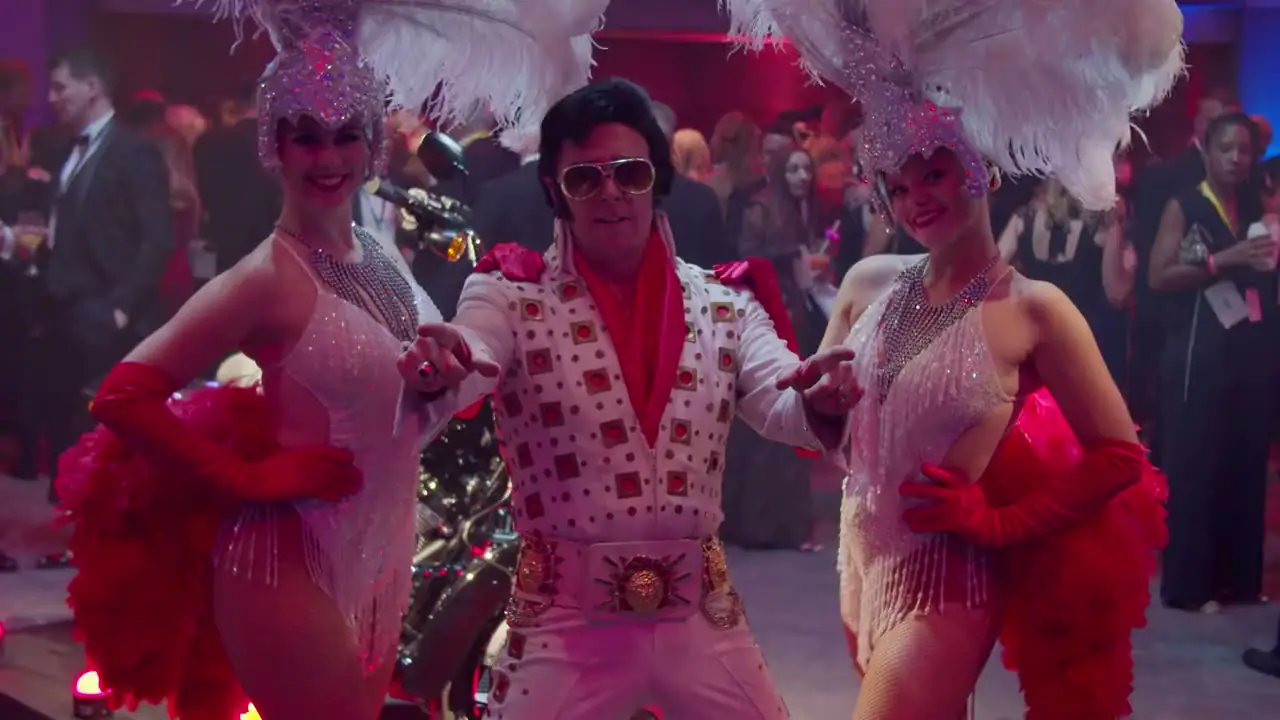
More films of this kind are on the event video production page.
5. Social media video
Social video is made for LinkedIn, Instagram, YouTube or TikTok from the start, rather than cut down from something else afterwards. It works best as a steady rhythm of posts, so it's closer to a channel than to a one-off commission.
The audience is the people who already follow you and the people they share things with, plus whoever you pay to reach. The trap is the cut-down, because a sixty-second edit of a three-minute corporate film isn't a social video. It's a worse version of the corporate film, and social content needs a brief of its own.
6. Event film
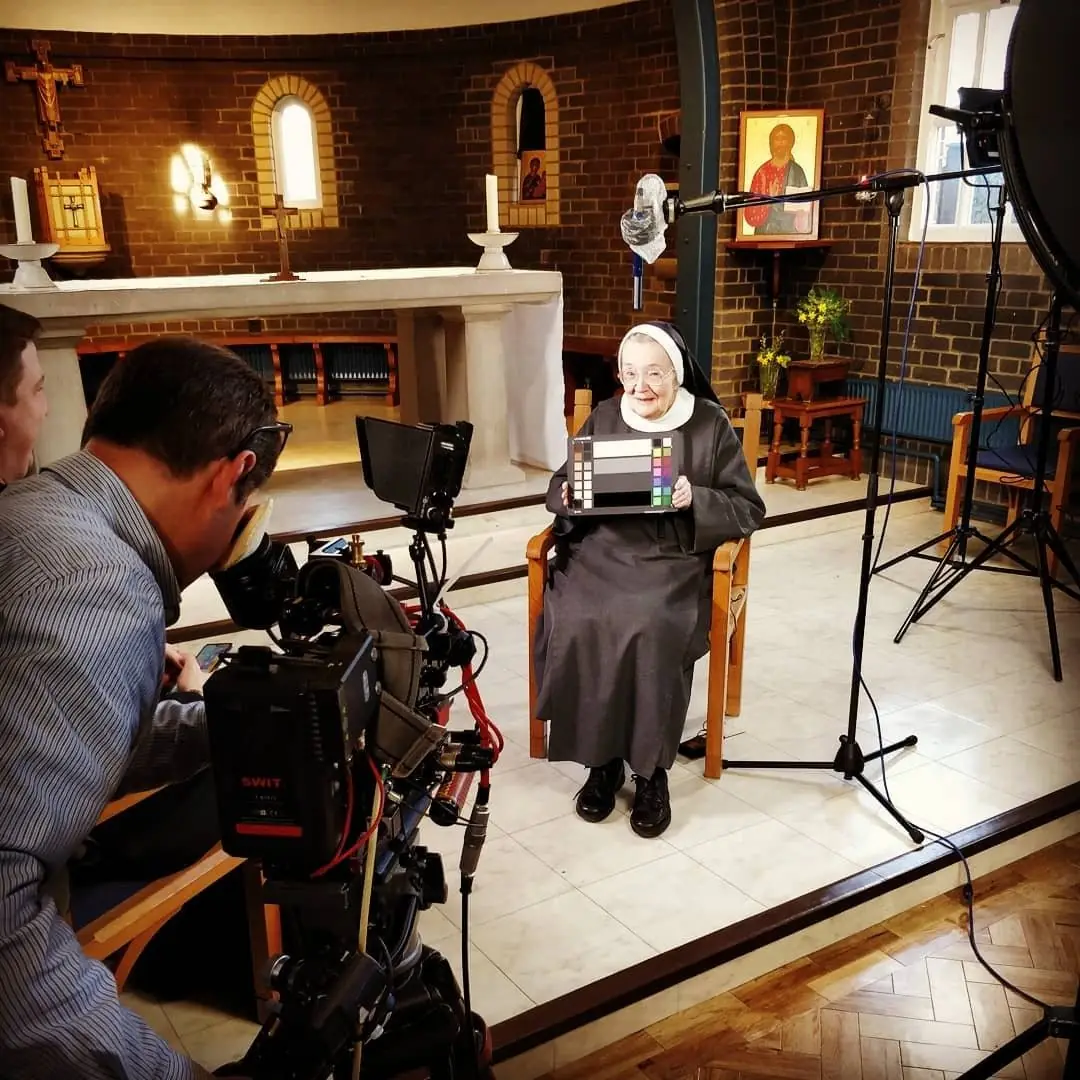
An event film turns a conference, launch, awards night or company day into something that lasts after the room empties. The main film is usually two or three minutes long, with shorter social cuts and, if you want them, recordings of the sessions.
It's for the people who were there and want to share it, the people who weren't, and next year's audience you're trying to persuade. Event films go wrong when they're planned too late. A crew that turns up on the morning and works it out as they go will make a film that looks exactly like that.
7. Recruitment and employer brand film
A recruitment film shows what it's actually like to work somewhere. It earns its place when you're competing hard for the people you're hiring, and when your culture is distinctive enough that candidates should see it before they apply.
These films live on careers pages, LinkedIn and in the emails recruiters send. The thing to avoid is a polished version of the company that doesn't match the job, because a film that oversells creates a trust problem on the new starter's first day. The best ones are straight about the trade-offs as well as the good parts.
8. Internal communications film
Internal films carry company updates, changes and messages from the leadership to the people who work there. They're useful when written updates aren't landing, or when something complicated has to reach a large workforce spread across sites.
Staff are often the most engaged audience a company has, because what happens next affects them. They're also quick to spot a press release dressed as a film, so internal video works best when it sounds like one person talking to another.
FAQ
Do I need a brand film or a promotional video?
A brand film shows who you are, and a promotional video sells one specific thing. If you're building trust over time, it's a brand film, and if you need people to buy, book or enquire, it's a promo.
Can one video do more than one job?
Sometimes, but rarely well. A film trying to recruit and sell at the same time tends to do both badly, so decide on the main job and let everything else come second.
What should I commission first?
If you have nothing, start with a brand film or a strong testimonial, because they're the most useful films to have. If you have a specific problem, brief around the problem, and the guide to briefing a video production company will help.
Bring us the problem. We'll make the film.
A thirty minute conversation with the team. No obligation.