
How we work, from the first brief to the finished film
Every film we make goes through the same stages, and none of them is a mystery. This page walks through each one in the order it happens, so you know what you're agreeing to before you agree to it. Most projects take four to six weeks from the first conversation to delivery, and you'll know the price before anything starts.
The brief
A good brief takes thirty minutes, and it can save three weeks. It does one thing, which is tell us enough to make the right film. Most briefs say too little, or too much of the wrong thing, and the best ones are just honest. They give the real objective rather than the stated one, and they include the constraint you're embarrassed about. That might be the budget, the nervous subject or the message that's already changed three times. Every project starts with a conversation about what the film needs to do before we talk about what it should look like. How the brief works
Preproduction
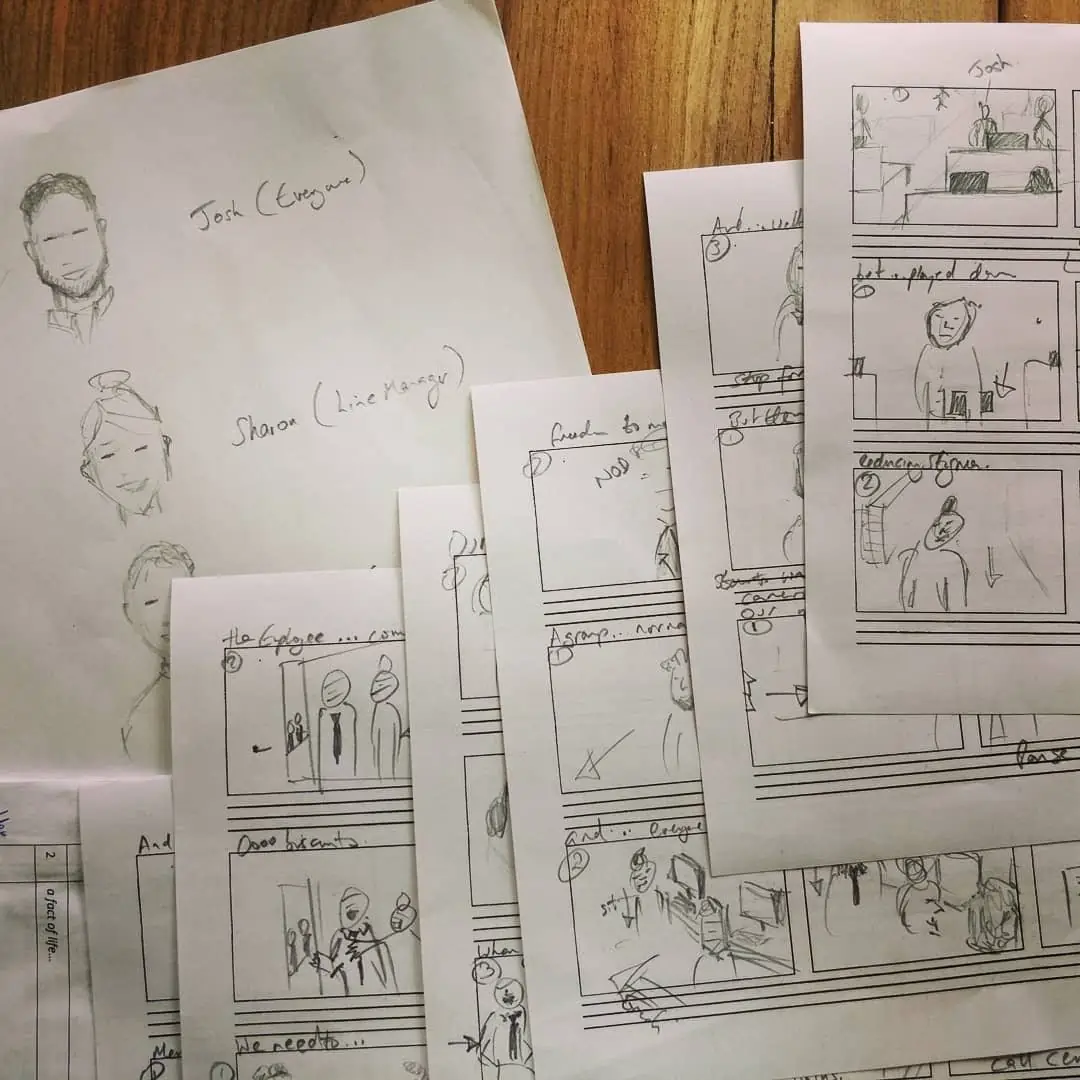
Preproduction is everything between the brief and the first day of filming. It includes planning, writing, storyboarding, recces, casting, prepping the crew, prepping the kit, call sheets, risk assessments and more. Most of it is invisible on the day, and that's the point. By the time we arrive, everyone knows where they need to be and what we're filming, and anything that needed a permit or a sign-off has already had one.
The kit
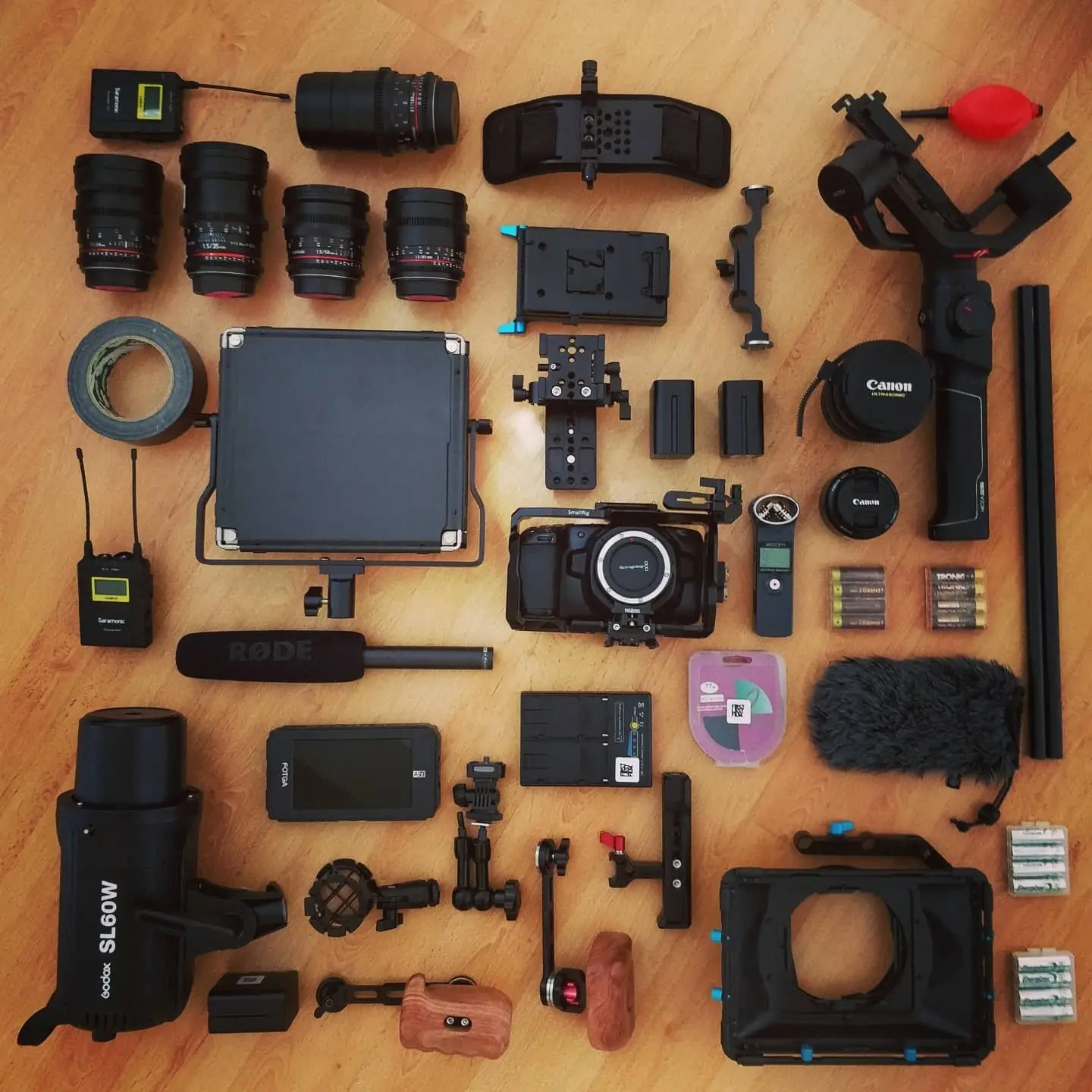
We'll take the camera apart here, to show you that the camera isn't the point. The script is the most important thing in video production. Not the camera. Everything else, including the grade and the music, is there to serve the script. We use proper equipment and a real edit with colour and sound, but the kit should never be the most interesting thing on set. The crew is the same idea. Two or three people who know what they're doing will outperform a six person crew that's filling roles, so the crew scales to the brief rather than to the budget.
The shoot
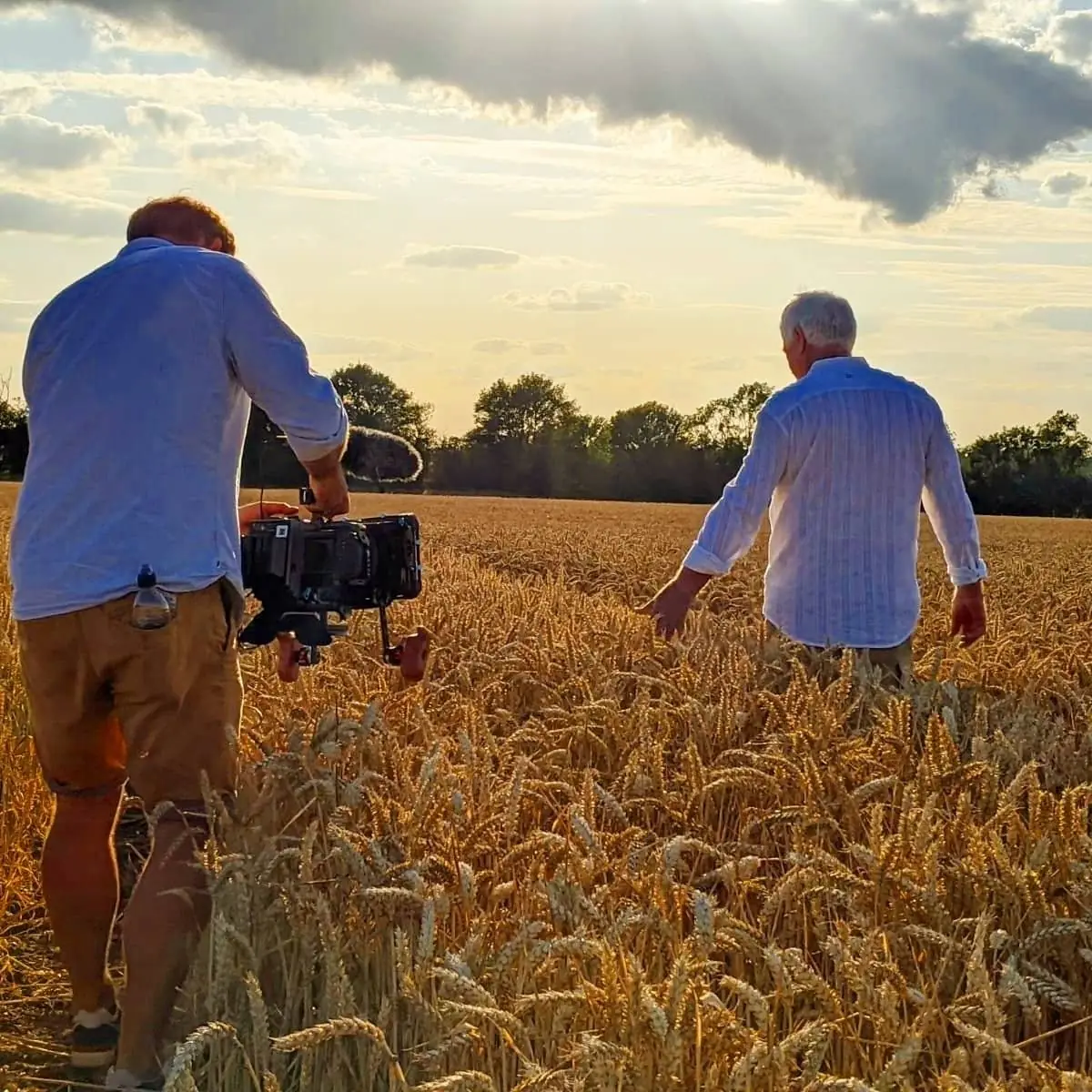
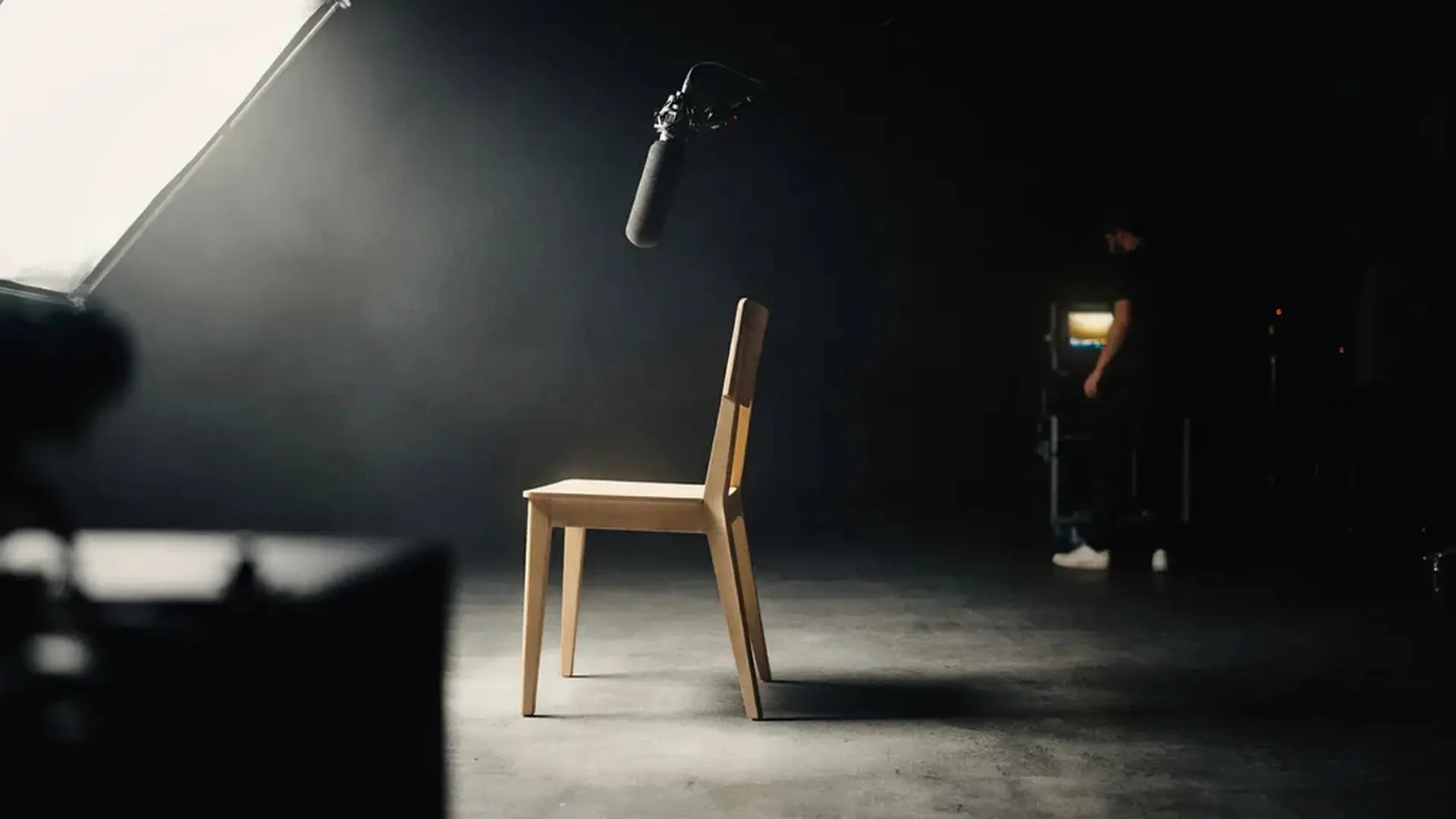
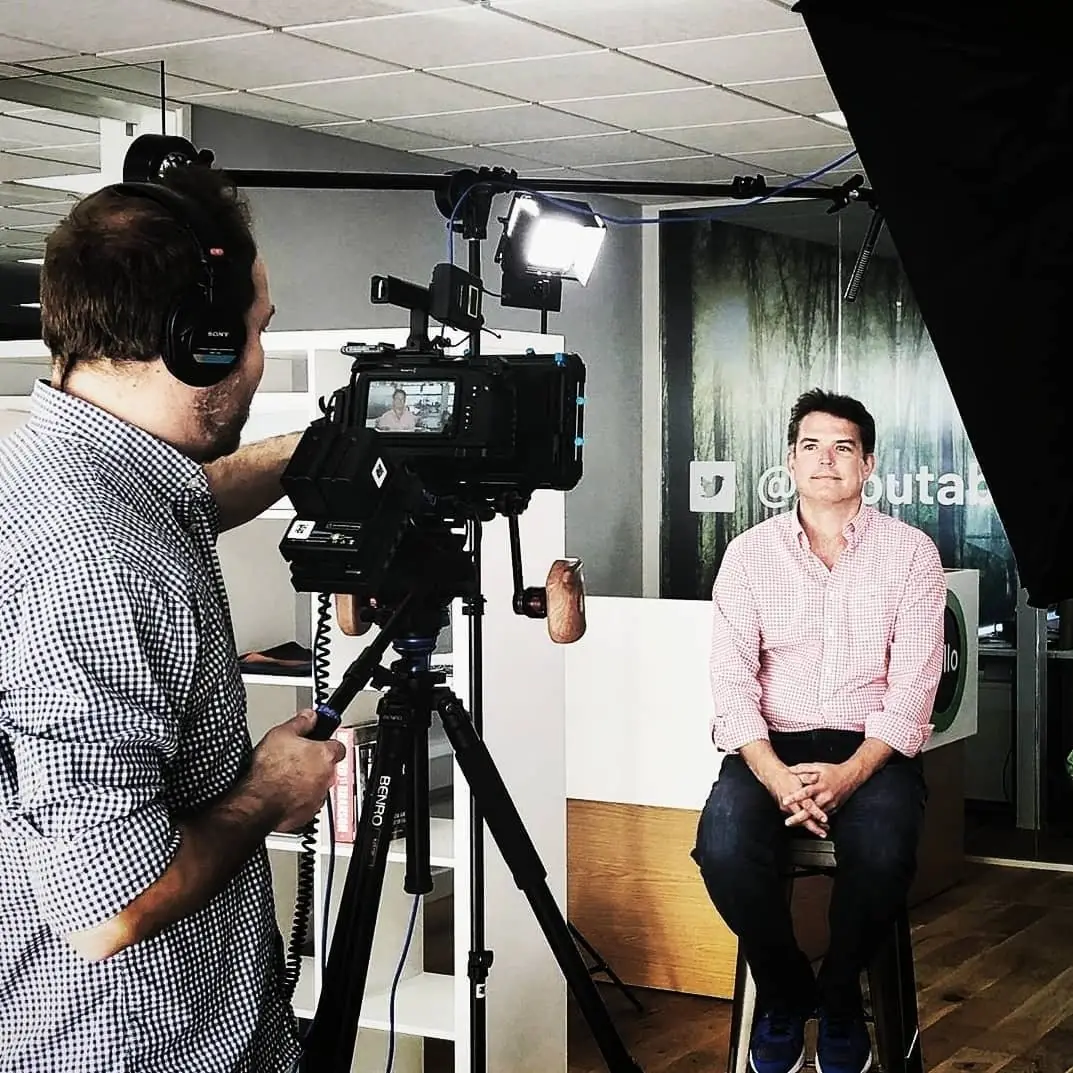
Everything is ready before anyone speaks. The set is lit, the chair is empty and the sound is checked, because most of a shoot day is the waiting, and the waiting is the work. We spend time with people before the camera appears. Subjects who feel respected give better interviews, and they say the true things rather than the safe things. Where you point the attention is the first edit, so we decide on the day what the audience is being asked to look at. If anyone in your team has never been on camera before, that's normal, and we've written about how we handle it. Never been on camera
The edit
It isn't a gallery, it's an edit. Everything shot before this point is material, and the film itself gets made here, in the order things are put in. Most of a first cut is working out which three minutes were the film all along, and having the nerve to lose the rest. Nothing survives because it was expensive to shoot. The shot you fought hardest for is usually the one to cut, and we'll tell you that honestly when it's true. You'll see the cut, give your notes, and the revision rounds are agreed before the shoot so nobody's counting.
The grade
We capture the footage flat, on purpose. It looks wrong on the day because it's meant to, and nothing is thrown away before anyone has decided what the film is. Then it becomes the film. The grade gives it its colour and its mood, and the sound design and music go in alongside it. That part isn't an extra and it isn't optional. No film leaves in a state that reflects badly on either of us, which is why we finish every one properly, whatever the budget.
Delivery
One film, and every screen it has to live on. The 16:9 master goes on your homepage and in the pitch deck. The 9:16 cut is for Reels, Stories and Shorts, the square one is for LinkedIn, and the 4:5 one fills more of the portrait feed. The wide 2.39:1 version is for a conference screen or an event loop. We plan those formats before the shoot rather than after it, so each cut is framed for its screen instead of cropped to fit. You get every file you need.
The result
The last frame isn't the finish line. The job of any film is to move the person watching, to change what they believe or do, so we start from the audience's point of view rather than the client's. If a film isn't good enough to lead your homepage, it wasn't worth making. On a trade show floor nobody sat down to watch, so the cut has to earn attention in the first four seconds. And in the sales pipeline, a real client describing a real result beats any case study PDF, because you can hear that it's true.
What it costs
We'd rather tell you the numbers than make you ask for them. The cost guide sets out the ranges we work in and what moves a budget up or down. What things cost