
Animated Video Production
Animated video production is how you show something a camera can't reach, like a payment moving between two banks or a product that won't be built until next spring. We write and direct the film, bring in a specialist studio to draw and move it, and stay answerable for it from the first conversation to the last file.
A thirty minute conversation with the team. No obligation.
Most people who ask about animation have already decided they need it. Sometimes they're right, and sometimes the honest answer is that a day's filming with the people who use the thing would do the job better. That's the first thing we'll talk about.
When is animation the right answer?
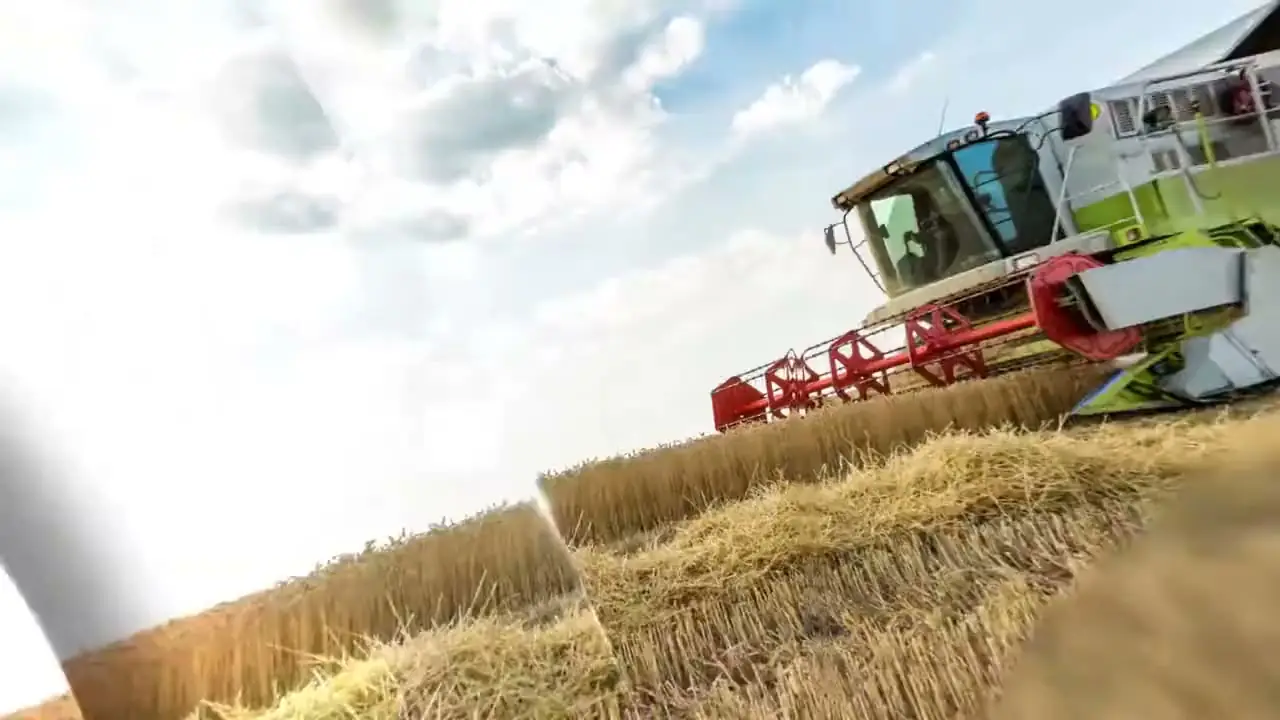
Animation earns its place when there's nothing to point a camera at. Software and data are hard to film and easy to draw, and so is anything that happens inside a machine or a body. The same goes for an idea that only exists on a whiteboard so far, or a product that's still in development and has to be sold before it ships.
It's also the right choice when you need control over every frame. In an animated film nothing moves unless somebody decided it should, so the colour and the pace can be set to the half second. A regulated message benefits from that, and so does a brand that wants a series of films to share one visual language.
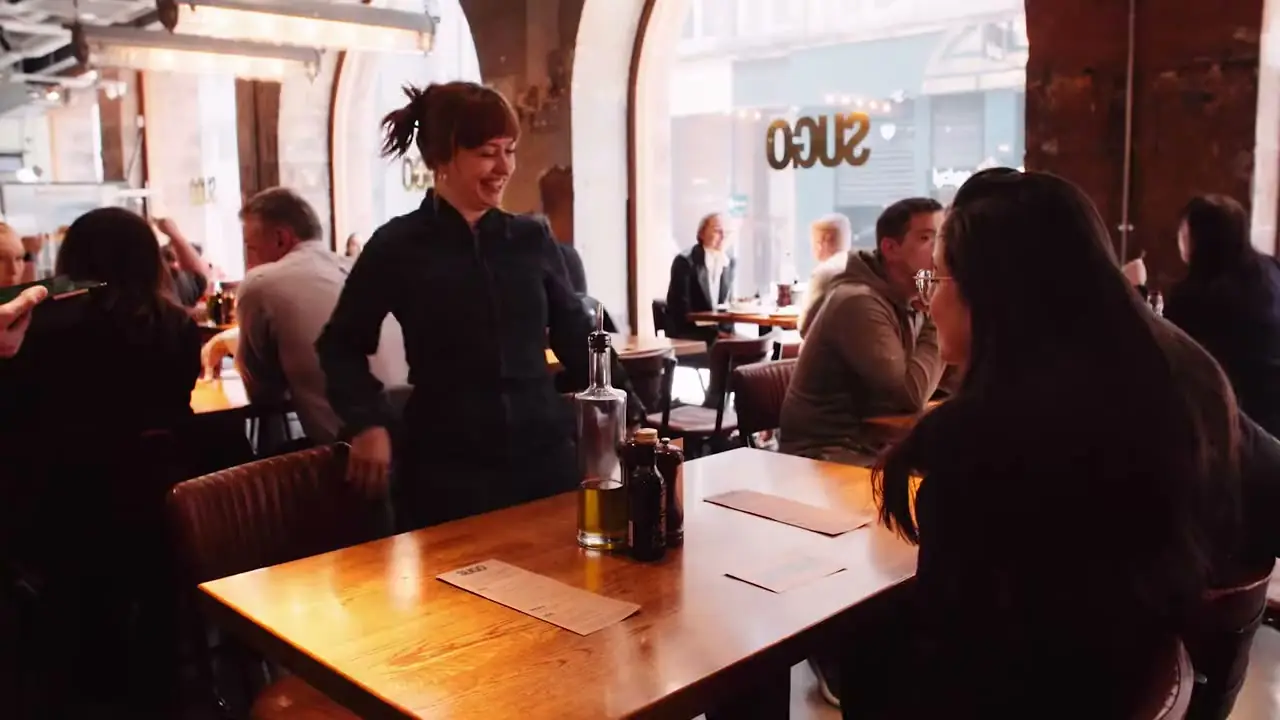
Live action is usually better when the point is trust. A customer explaining what changed for them, or a team showing where they work, carries a weight that illustration can't. Our films for Dojo are a good example of that choice. Dojo's product is card machines and payments technology, which could easily have been a motion graphics piece. Instead most of the films were made with the businesses that use it, and the product sits in the background of their story.
How an animated film gets made
It starts with the same thirty minute conversation as everything else we do, about what the film has to do and who's watching. From there we write the script, because the words and the voiceover set the length and the order of everything that follows.
Once the script is agreed, the studio designs a handful of style frames, still images that show how the finished film will look. Then comes an animatic, which is the whole film as rough moving sketches cut to the recorded voiceover. That's where you'll see the timing for the first time, and it's the cheapest place to change your mind, so we'll ask for your notes there rather than after the animation is finished.
Full animation comes next, followed by sound design and music, which do more for an animated film than most people expect. Delivery is a master file plus the cuts each channel needs, with subtitles burnt in for anywhere people watch without sound. Animation takes longer than a straightforward shoot, and we'll give you a realistic date in the first proposal.
Who does the drawing?
We're open about this. First Last Film doesn't have an in-house animation team, and we don't pretend to. We lead the script, the creative direction and the conversation with you, and we choose an animation studio whose style suits the brief and the budget.
For you that means one person to brief and one person who answers for the film, whoever is drawing it. It also means we can be straight about what a style costs, because we're not trying to keep a studio of our own busy.
Motion graphics or character animation?
Most of the animated video production we take on is motion graphics, which means type, shapes, charts and diagrams moving to a voiceover. It's the clearest way to explain a process or a set of numbers, and it sits well beside a company's own design.
Character animation suits a warmer story, especially when the audience is the public rather than a buyer. The mixed approach puts animated diagrams over filmed footage, so a real person can explain the idea while the animation shows how it works. That's often the right answer for a complicated product with people behind it.
The script still decides it
A beautiful animation built around a vague script is an expensive way to confuse people. The freedom to show anything makes it tempting to show everything, and a film that tries to explain four ideas at once leaves the viewer remembering none of them. So we write for one audience and one thing they need to understand by the end, and the animation serves that.
FAQ
When should a business use animation instead of filming?
Use animation when there's nothing to point a camera at, such as software, data, a process inside a machine or a product that isn't built yet. If the point of the film is trust, filming the real people involved usually works better.
Does First Last Film animate in house?
No. We write and direct the film and stay answerable for it, and we bring in a specialist animation studio whose style suits the brief. You brief one team and one team answers for the film.
What's the difference between motion graphics and character animation?
Motion graphics is type, shapes, charts and diagrams moving to a voiceover, and it's the clearest way to explain a process or a set of numbers. Character animation suits warmer stories, especially for a public audience.
Why does an animated film start with an animatic?
An animatic is the whole film as rough moving sketches cut to the recorded voiceover. It shows the timing for the first time, and it's the cheapest point to change your mind before full animation begins.
Related services
Animation is one of the video production services we offer, and it overlaps with two others. Our explainer video production page covers the live action and hybrid versions of the same job. Animated sequences often sit inside a longer piece of corporate video production. If your subject is clinical, video production for healthcare explains how we handle accuracy and sign-off.
If you've got something that's hard to film and needs to be understood, tell us what it is.
Work in this area
All the work. Films like these often sit alongside explainer videos.
Three things people ask
- What does it cost?
- Most production companies won't tell you until you've had a call. What things cost
- How long does it take?
- Four to six weeks from brief to delivery, for most projects. How we work
This is one of the ways we work, and the whole range is on the video production services page. People reading about animated video often go on to explainer videos and corporate video. You can see the approach at work in the Dojo case study, and for a sector where what can't be filmed can still be shown, read video production for healthcare. Guides that go with it: how to write a video script.
Tell us the problem.
We'll tell you honestly which kind of film would solve it, or whether a film is the answer at all. Thirty minutes with one of our team.
A thirty minute conversation with the team. No obligation.