
Testimonial Video Production and Case Study Films
Your clients can say what you can't. Testimonial video production puts one of them on camera, telling a stranger why they chose you in their own words. For ASK Partners that was three investors, interviewed without scripts, and their marketing lead says the films have "made a real impact from a marketing perspective."
A thirty minute conversation with the team. No obligation.
Which one you get is decided before the camera comes out, in the thirty minutes we spend on who to ask and what prospects most need to hear.
What's the difference between a testimonial and a case study film?
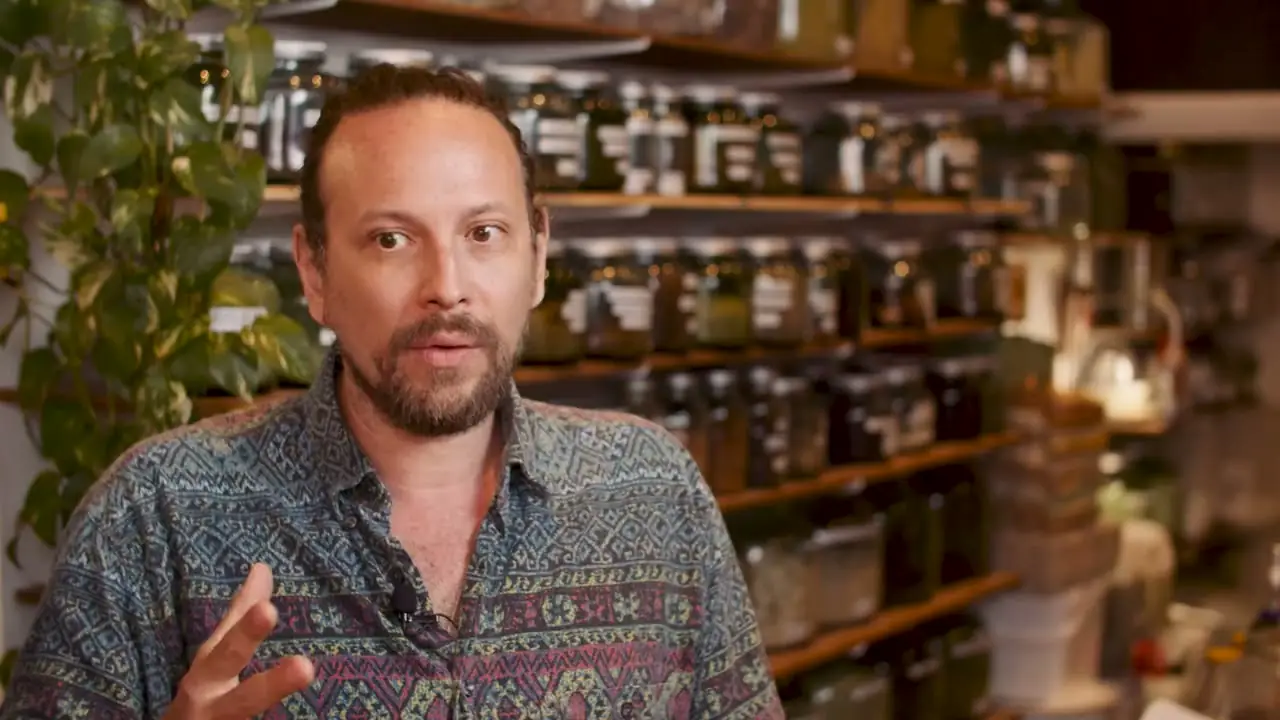
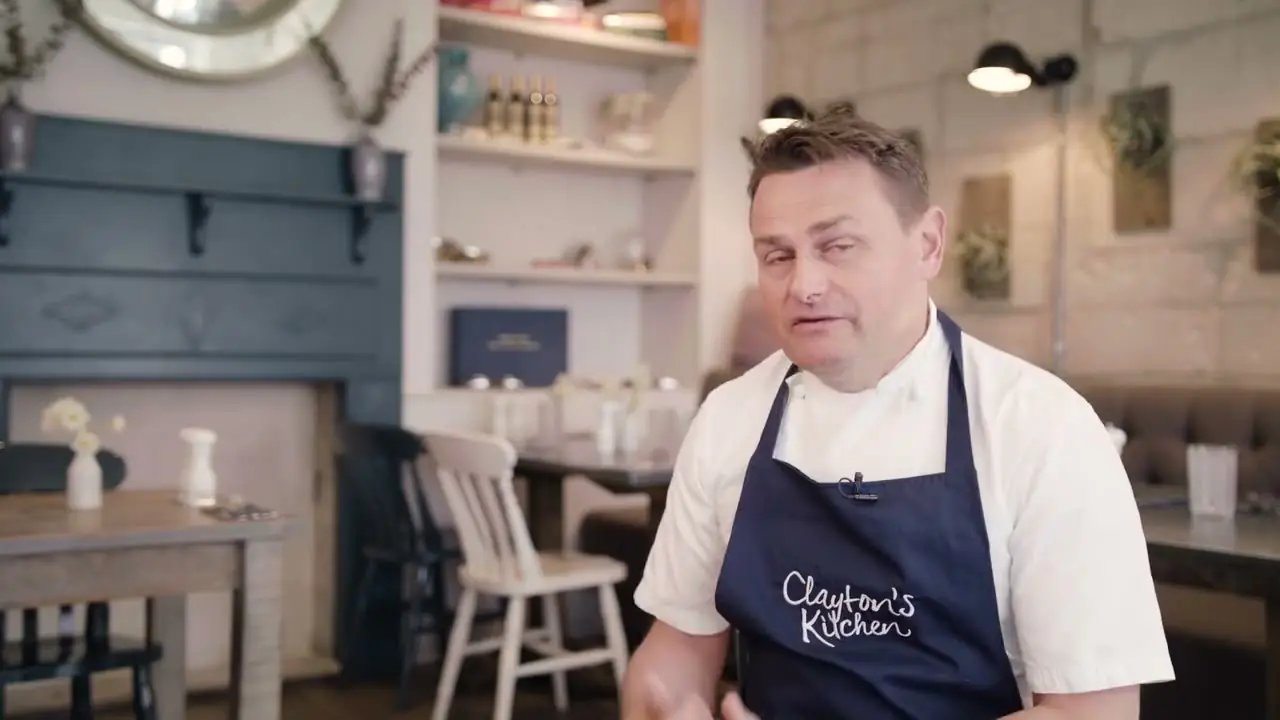
A client testimonial video is short, usually a minute or a minute and a half, and it's led entirely by the client's voice. It's built around one story about who they are and what changed when they started working with you. It works on a landing page and in a sales email.
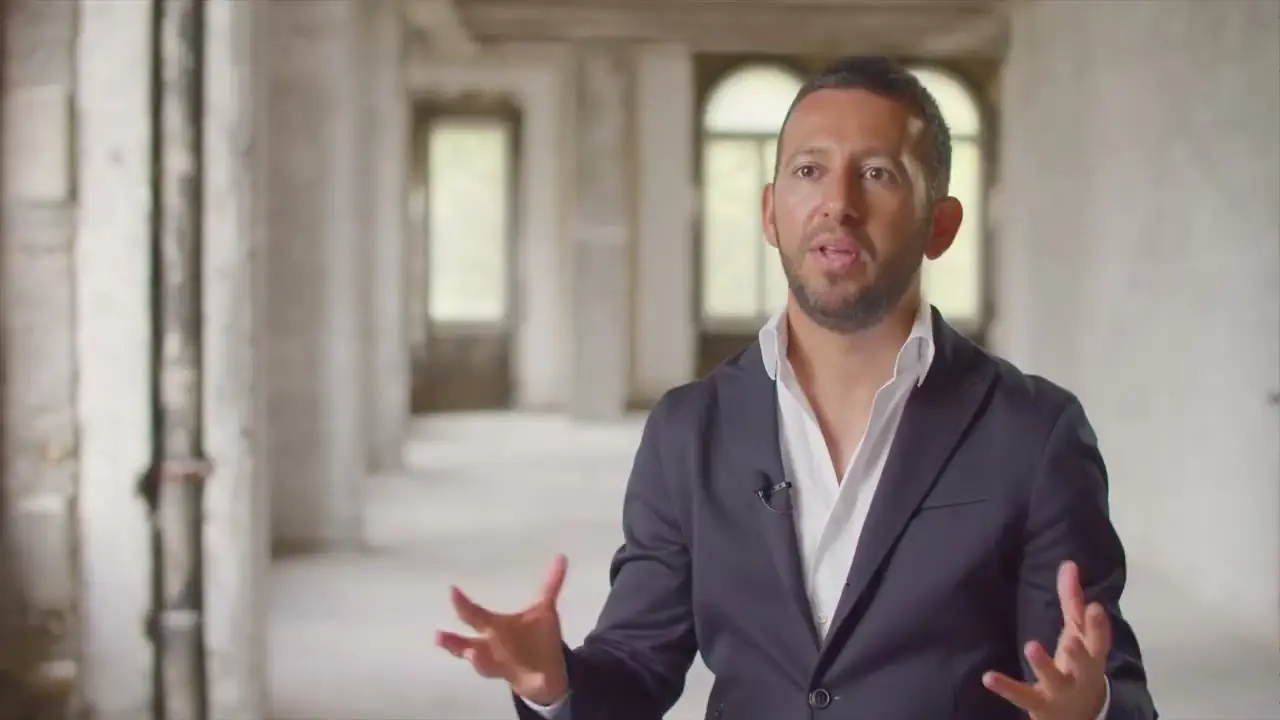
A case study film is longer, often two to four minutes, and tells the whole story from the situation before to the result after. It's the case study video you put on a dedicated page or play in a pitch to prove you've done this kind of work before, like the five on our work page. Case study video production usually involves more than one voice, and often some footage of the work itself.
How we film a customer testimonial video
The first conversation is about which clients to approach and what prospects most need to hear, because the right client saying a specific thing does more than the happiest client saying something general. Then we talk to each of them off camera, sometimes on the phone the week before, listening for a number or a moment that only they would know. Those become the backbone of the interview.
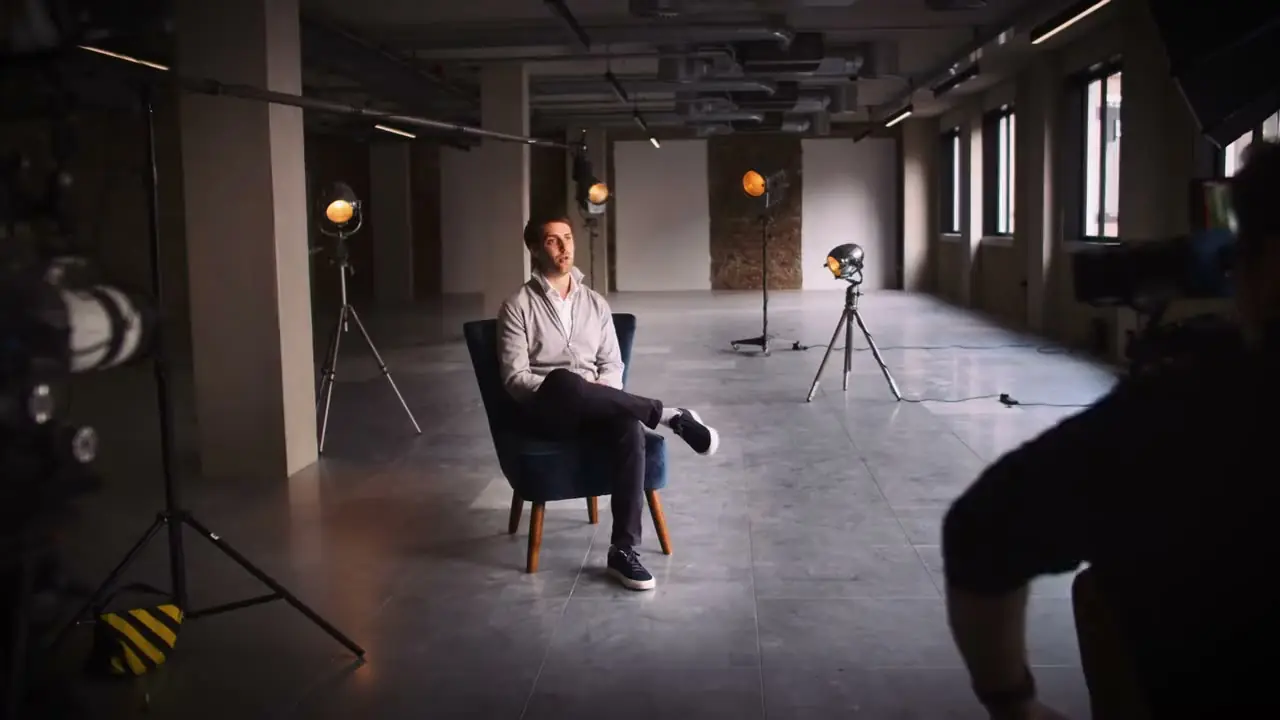
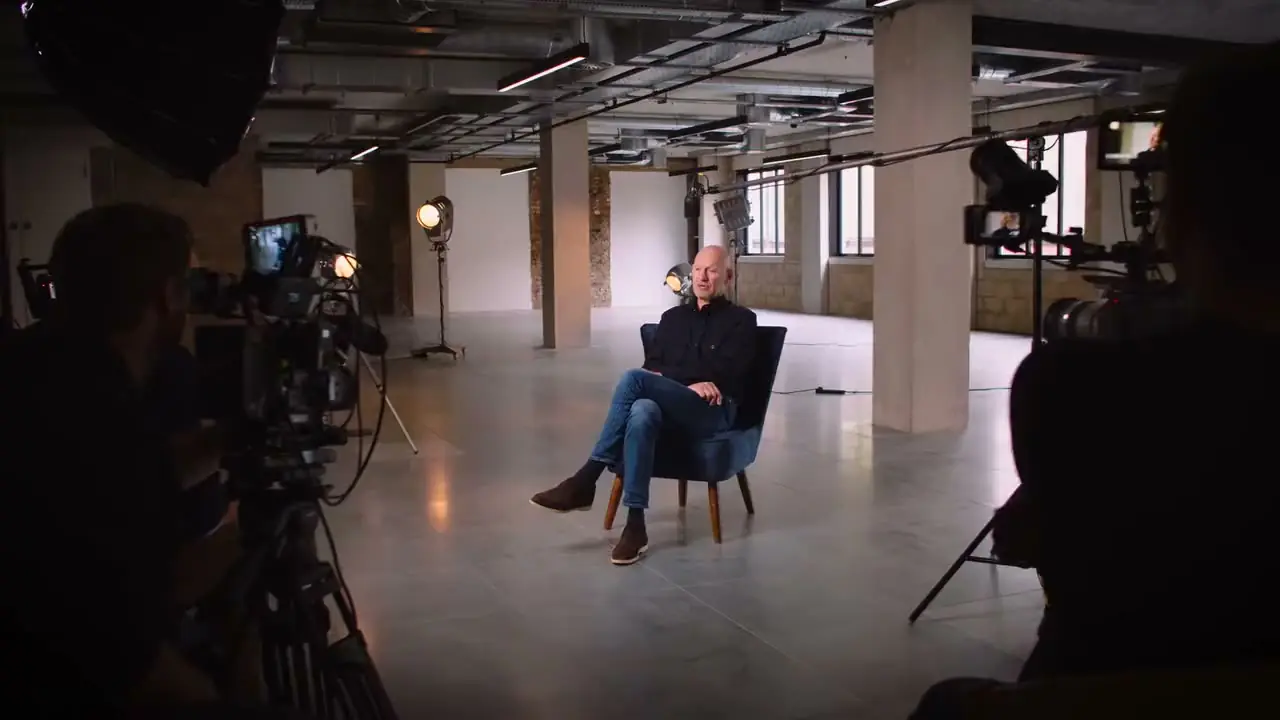
On the day, the set is lit and the sound is checked before the client sits down, so nobody waits under the lights while we adjust kit. There's no script and no autocue. The client knows the ground we'll cover, and the answers come out the way they'd tell the story to a friend. Most testimonial interviews take under an hour, and we film some footage of the client at work or in their own space to cut around it.
A small crew matters more here than anywhere. Usually it's a director on camera with a sound recordist, which keeps things calm enough for somebody to forget, after ten minutes, that they're being filmed.
The over-briefing problem
The most common reason a testimonial fails isn't nerves. It's a client trying to remember messages their communications team gave them. Ask for the opposite: let them tell it the way they'd tell a friend, and trust that they know why they chose you.
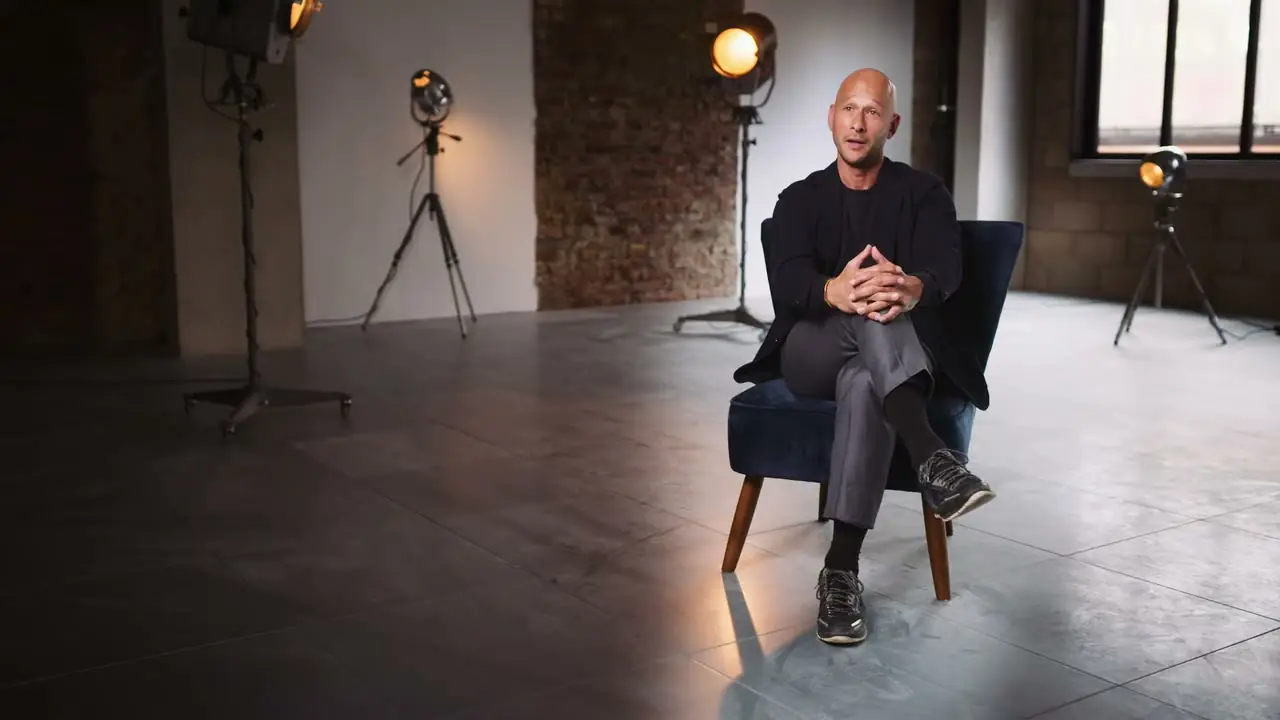
The ASK Partners investor films were built as a funnel. A short film cut from three investors' interviews catches a prospect's interest, and the full film for each investor lets anyone still interested hear in detail why that person chose ASK. None of it was scripted, which is why it carries a recommendation the way a conversation would.
Our advice to anybody organising a testimonial is to trust your clients. They know why they chose you, and they'll tell it better in their own words than in yours.
The edit and what you get
Nothing is final until you've seen it. You'll see a first cut, send your notes, and the revision rounds are agreed before the shoot, so nobody's counting. We choose the moments where the client is most specific, then grade and mix, and you get the main film, short cuts for social and a version with subtitles burnt in, because most people watch testimonials on mute.
With more than one client on the same project, we'll usually film them over consecutive days and deliver a short film for each, plus a longer case study film that brings them together.
FAQ
What's the difference between a testimonial video and a case study video?
A testimonial is short, usually a minute to a minute and a half, led by one client's voice. A case study film runs two to four minutes and tells the whole story from the situation before to the result after.
Should a testimonial video be scripted?
No. Scripted or over-briefed clients sound managed. The best testimonials come from an unscripted conversation in the client's own words.
How long does filming a testimonial take?
Most testimonial interviews take under an hour, plus some footage of the client at work or in their own space to cut around it.
How do you make a client relaxed on camera?
We talk to them off camera first, keep the crew to two people, light the set before they sit down and have a conversation rather than read questions from a list.
Related services
Testimonial video production is one of our video production services. They often sit inside a wider piece of corporate video production or alongside a brand film. Charities use the same approach with supporters and beneficiaries, and video production for charities explains how we work with people telling difficult stories.
Think of the client who recommends you without being asked. Tell us who they are and we'll talk through how to film them in thirty minutes, and the first conversation costs nothing.
Work in this area
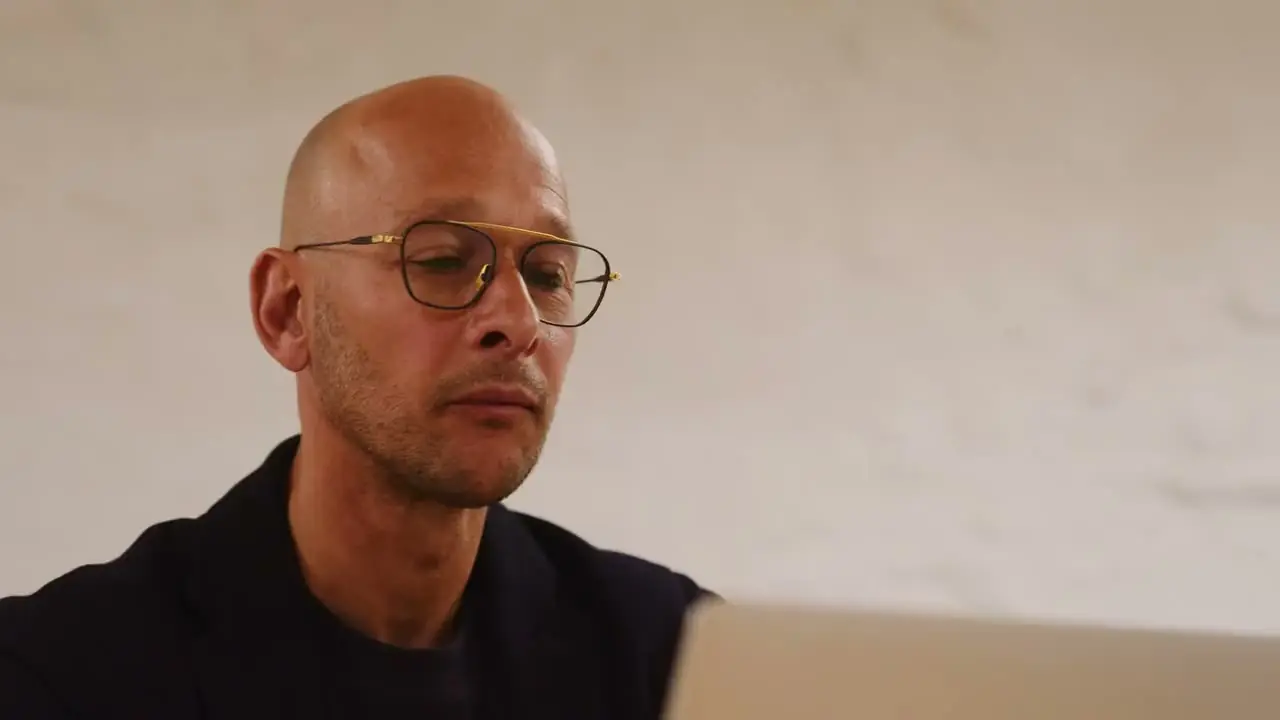
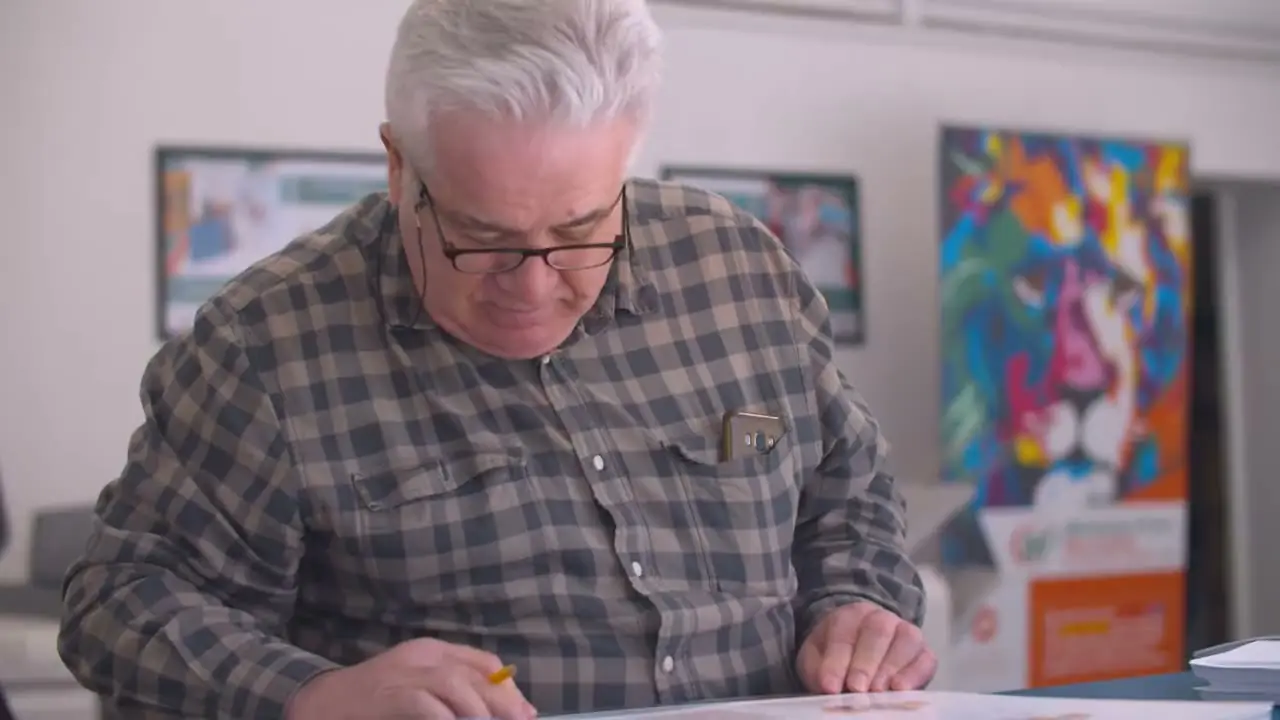
All the work, including 1 more films like these. Films like these often sit alongside interview filming.
Three things people ask
- What does it cost?
- Most production companies won't tell you until you've had a call. What things cost
- How long does it take?
- Four to six weeks from brief to delivery, for most projects. How we work
This is one of the ways we work, and the whole range is on the video production services page. People reading about testimonial videos often go on to interview filming and corporate video. You can see the approach at work in the ASK Partners case study, and for a sector where real voices carry more than any campaign line, read video production for charities. Guides that go with it: how long a corporate video should be, tone of voice in video and how to promote your business.
Tell us the problem.
We'll tell you honestly which kind of film would solve it, or whether a film is the answer at all. Thirty minutes with one of our team.
A thirty minute conversation with the team. No obligation.