
Healthcare Video Production
Healthcare video production works under rules most other sectors never meet. A patient information film that gets a detail wrong can cause harm, and a script often has to pass a clinical lead and a communications team before anyone can film it. We plan for all of that from the first conversation, so the approvals are part of the schedule rather than a surprise at the end.
The audiences vary as much as the subjects. Patients, clinicians, staff and the public each need a different film, even when the topic is the same, and the first job is working out which one you're making.
What healthcare films do we make?
Patient information films explain a procedure or a treatment pathway in plain language, so people arrive less anxious and better prepared. They're usually short and subtitled, made to play on a waiting room screen as well as on a phone. Staff training films show clinical and non-clinical teams how something is done, the same way every time, across sites and shifts.
Health charities commission fundraising and awareness films, which need the honesty of any charity film along with the accuracy of a clinical one. Health technology companies need explainers for clinical buyers and procurement teams, often mixing filmed demonstration with animated diagrams for the parts nobody can film. Some of this is medical video production in the strict sense, and some is simply a good film about people who happen to work in health.
Accuracy and sign-off
Every script is checked by the people who know the medicine. We write it with your clinical and communications leads in plain language, and we agree who signs off at each stage before we start. For regulated communications we'll work within whatever review process your organisation already uses, and we build its timings into the plan so a review doesn't push back the shoot.
Anything that appears on screen, from a diagram to a line of dialogue, has been approved before it reaches the edit. That's slower than some film work, and it's the only way to make a healthcare film you can safely use for years.
Consent and dignity on camera
Filming patients or service users starts with a conversation about what they're agreeing to and where the film will be seen. We go through that with each person, and with the staff who care for them, before any filming is planned. We'll stop whenever a contributor needs us to, and we film in a way that protects other patients' privacy in clinical spaces.
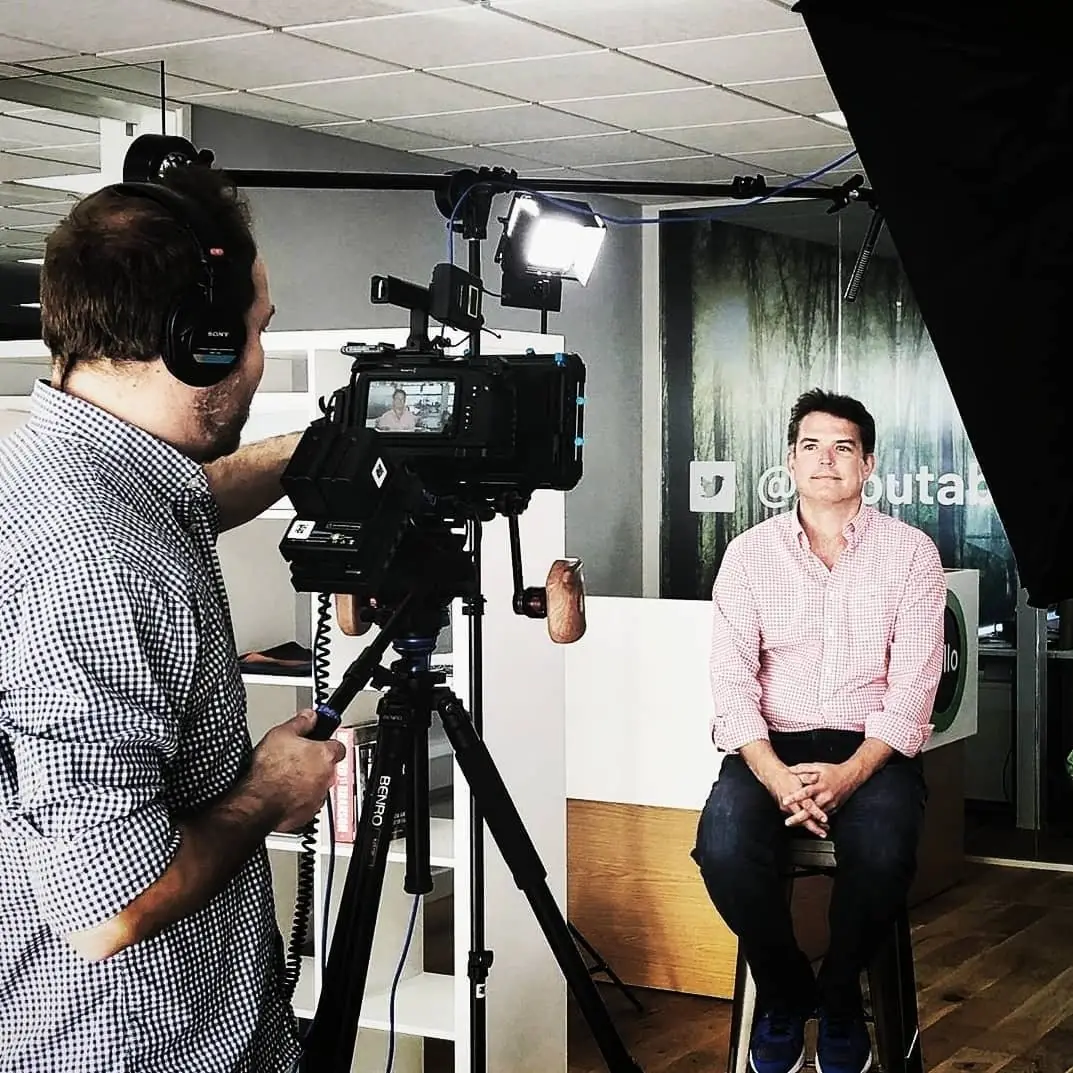
The crew is small, often a director and a sound recordist, with compact kit and no big lights, because a ward or a clinic is somebody's place of work and somebody else's worst week. We spend time with people before the camera comes out, so the interview feels like the conversation they've already had with us. People who feel respected on camera give better interviews, and in healthcare they're also the only kind worth filming.
Filming with staff
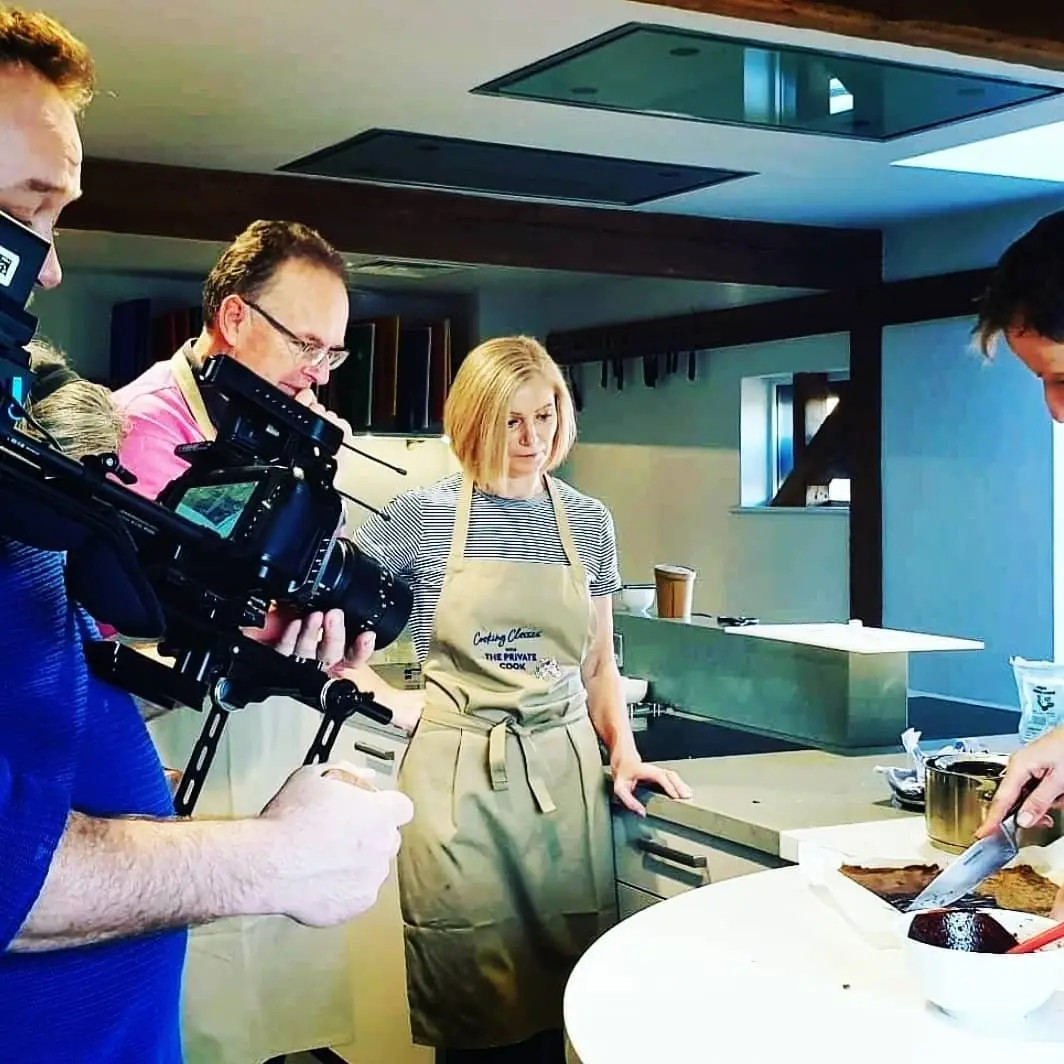
Healthcare staff are busy, and most have never been filmed. We plan shoots around shift patterns and keep interviews short. The approach is the one we used for the OakNorth culture film. We spent time with people before and around the interviews and filmed them where they actually work, so they talked about the job the way they'd explain it to a new colleague.
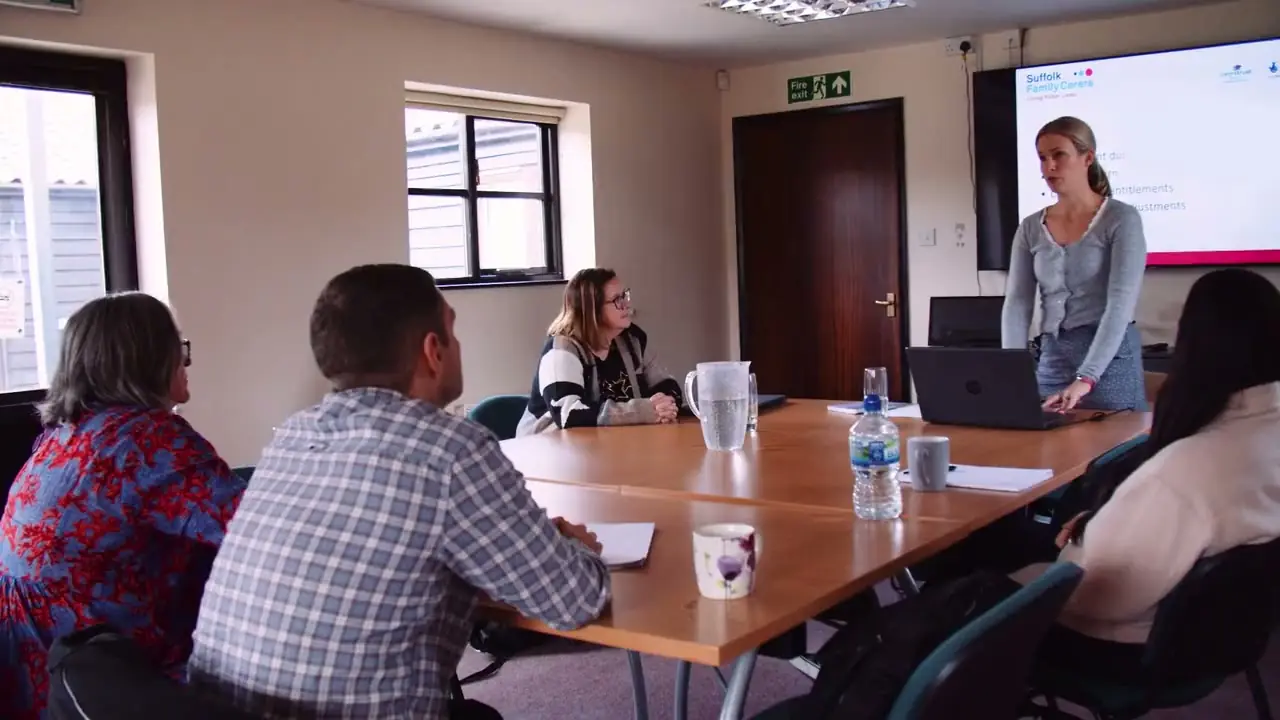
More films of this kind are on the training video production page.
Related work
Healthcare video production draws on several of our video production services. The two we use most are explainer video production for patients and buyers and training video production for staff. Health charities should also read video production for charities, and every sector we work in is on the industries page.
If you need a healthcare film and want to talk through the approvals before anything else, that's a good place to start.
A thirty minute conversation with the team. No obligation.