
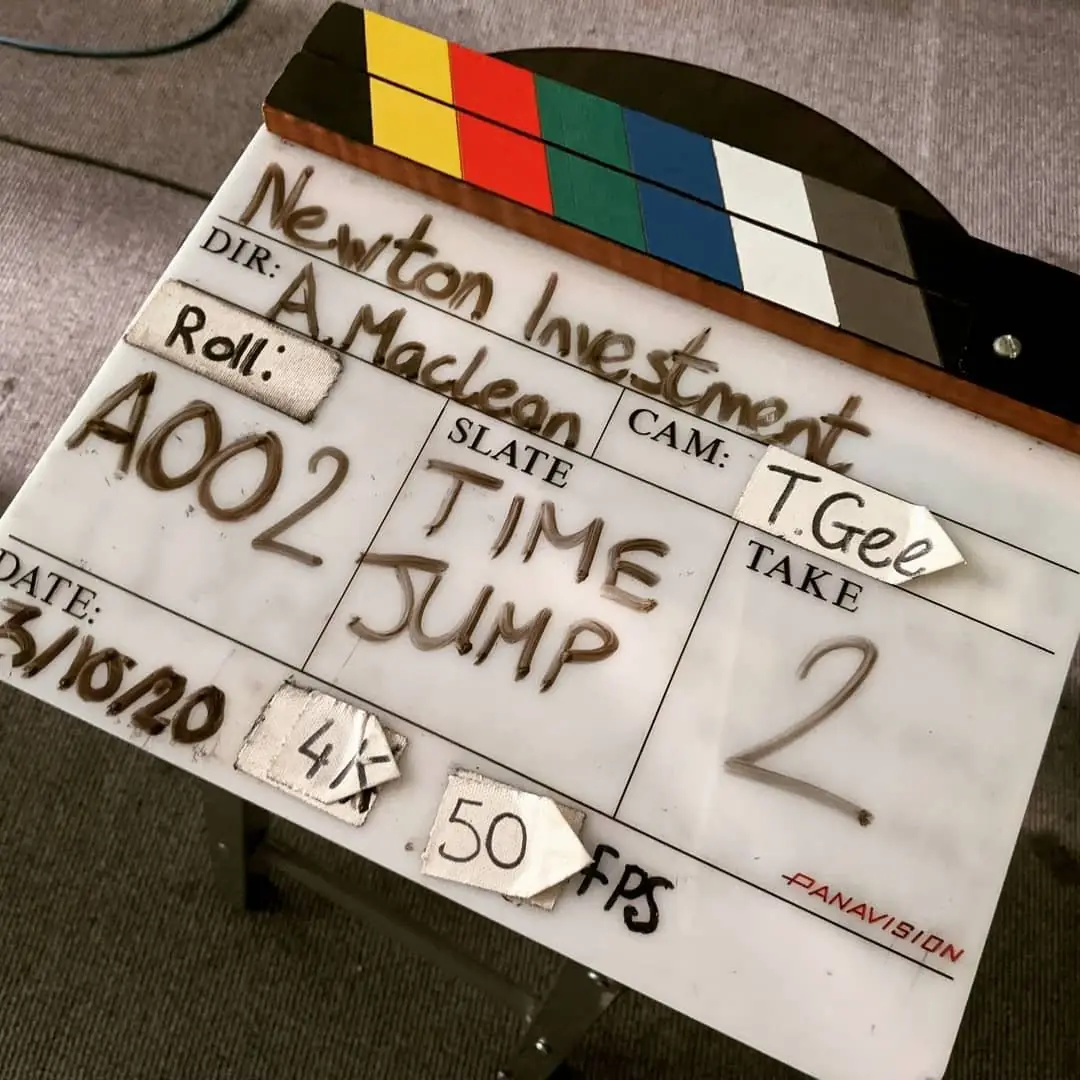
How to Write a Video Script People Watch to the End
The script matters more than anything else in a production. The camera, the grade and the music all serve it, and when the script is wrong there's no amount of polish that fixes it.
We say that as people who spend a lot of time behind a camera. A good script shot simply still makes a good film, while a beautiful film with a muddled script wastes everyone's money. Most of what ends up on screen is decided before anyone picks up a camera.
Why the script comes first
A script makes you put the message into actual words, in the order people will hear them and at the length they'll be spoken. That exposes problems a slide can hide.
A message that looked clear in the brief often turns muddy once you try to say it out loud. Two objectives that seemed manageable turn out to be one too many for a ninety-second film. And a tone described as "professional but approachable" suddenly has to become real sentences, which is where you find out what everyone meant by it.
Find the one thing before you write
Every script that works is built around one thing the viewer should understand, feel or do when it ends. So before you write a word, ask what you'd want them to remember if they remembered nothing else.
Write that down. Every section after it should either set it up or back it up, and anything that does neither comes out.
That's simple to say and hard to do, especially when several people each have a favourite message. Getting everyone to agree on the one thing is often the most useful part of pre-production.

A structure that works
Most corporate and brand scripts follow some version of the same shape. It opens with a hook in the first five to ten seconds, which isn't a logo or an introduction. It's something that makes people want to keep watching, like a situation they recognise or a detail they didn't expect.
Then comes enough context to put the viewer in the right place, which means who this is for and what's going on, and not the company history. After that you need the problem, because a film with no tension gives nobody a reason to care about the answer.
The answer comes next, and it should be specific, because one real detail is worth ten general claims. Then finish with a single clear next step. "Find out more" is weaker than "get a quote at firstlastfilm.com", because it doesn't tell anyone what to do.
Write it for the ear
Scripts are spoken, and that changes the rules. Use contractions, because "we are" read aloud sounds stiff and "we're" sounds like a person. Keep sentences short enough to say in one breath, and vary their length so the voice has somewhere to go.
Write in the active voice. "We made the film" has more life in it than "the film was made by our team". And leave out the jargon that feels normal inside your organisation, because the person watching probably doesn't share it.
Above all, read every draft out loud. If you stumble on a phrase, the presenter or voice-over artist will stumble on it too, so rewrite it until it sounds like somebody talking.
More films of this kind are on the promotional video production page.
The mistakes we see most
The commonest problem is cramming. The brief had five objectives, the script tries to serve all five, and the film rushes through everything and lands nothing. Pick one and say it well.
The second is writing for the client instead of the audience. A script that pleases the chief executive often doesn't hold a stranger, so write for the person who knows nothing about the company yet. That also means not opening with "We are" and the company name, because the viewer doesn't care about you yet and the opening has to earn the introduction.
Approved language is the other trap. "Using our unique capabilities to deliver joined-up outcomes" isn't something anyone has ever said out loud, and scripts written from messaging documents sound like they were written from messaging documents. Finally, don't forget the ending. A logo and a web address isn't a call to action, so tell people what to do next.
A rough timing for a 60 to 90 second film
The first five seconds are the hook, one line that earns attention. From five to fifteen seconds you set the context, and from fifteen to forty you get the problem and how it's solved.
Forty to sixty seconds is for proof, one specific example or detail that makes the claim real. The last fifteen seconds or so are the call to action. Adjust it for your subject, but keep the order, because it's there for a reason.
After the script is signed off
Everything else follows from the script, including the look of the film, the storyboard, the shot list and the interview questions. Changing the script once filming has started is like moving walls after the building's gone up, so get it right before anything else moves.
If you'd like help with a script for a particular project, or you've got one that isn't working and you can't see why, we're happy to take a look. Send it over with a line on what the film is for.
Bring us the problem. We'll make the film.
A thirty minute conversation with the team. No obligation.