
Why Use Video for Marketing? The Case for Making the Budget Work
Use video for marketing because it's the format people choose when they want to understand something and decide whether to trust the people behind it. In Wyzowl's 2026 survey, 63% of consumers said a short video is how they'd most like to learn about a product or service, against 12% who'd rather read an article. YouTube reaches 94% of UK adults online, according to Ofcom. The catch is that a film only works when it has one clear job.
You've probably seen a wall of video statistics already, and it hasn't made you any surer that you should spend money on it. So below are the few figures that matter, with who published them and how much weight they'll bear, and then the argument.
What the numbers say
| Figure | Source | What it tells you |
|---|---|---|
| YouTube is used by 94% of UK adult internet users, for an average of 51 minutes a day | Ofcom, Online Nation 2025 | The UK regulator, measured rather than surveyed. Your buyers already watch video every day. |
| 63% of consumers would most like to learn about a product or service by watching a short video; 12% would rather read an article | Wyzowl, State of Video Marketing 2026 | 266 respondents in late 2025. Wyzowl makes videos, so read it as a direction, not a law. |
| 85% of people say they've been convinced to buy by watching a video | Wyzowl, 2026 | Same survey, same caveat. The figure has been between 73% and 89% every year since 2015. |
| 82% of marketers who use video say it gives them a good return, down from 93% the year before | Wyzowl, 2026 | The fall matters as much as the figure: more video is being made, and more of it isn't working. |
| 78% of B2B marketers use video, and 94% say trust is the key to success in B2B | LinkedIn B2B Marketing Benchmark, 2025 | 1,500 senior marketers surveyed by Ipsos, 250 of them in the UK. LinkedIn sells video ads. |
| A product with five reviews is 270% more likely to be bought than one with none | Spiegel Research Center, Northwestern University | Academic, from real sales data. It's about reviews, which is what a testimonial film is. |
| UK spending on video advertising rose 20% in 2025, to £9.3bn | IAB UK, Digital Adspend 2025 | The money is moving to video, which also means more competition for attention. |
None of these says your business needs a video. What they say together is that your buyers watch video by default, that they decide on trust, and that seeing other customers vouch for you moves them. That's the case below.
What video can do that other formats can't
Most marketing formats are good at one thing. A white paper gives you depth, a social post gives you reach, and an email gets to people who've already said yes to hearing from you.
Video is unusual because it puts a face and a voice in front of someone in seconds, and it's easy to pass on. That's why it keeps turning up in marketing plans, and there are two things in particular it does better than any other format.
The first is showing rather than describing. A client on screen talking about what changed is more convincing than any case study PDF, because you can see the person and hear the particular way they say it. Written copy can describe a result, while a film lets you watch someone who got it.
That builds familiarity, too. Business buyers take longer to decide than consumers, but they aren't immune to feeling, and people choose suppliers they trust. A film that shows the people and the place as they are gives a viewer a sense of knowing you before you've met.
The second is explaining. If your product is hard to understand, written copy hits a ceiling, because a reader can only take in so much new information at once. Animation in particular can show a process nobody can see, and make it make sense.
Why most business video doesn't work
Most business video doesn't work, and it's better to hear that from us now. Most of it gets made without a clear answer to the question "what's this for?", and that's where it goes wrong.
You've seen the films. There's the corporate video that lists eight values, and the promo that spends its first ninety seconds on company history. They don't fail because of the camera work. They fail because the brief was wrong or there wasn't one.
Video marketing works when a film has a specific job and is made to do it. It doesn't work when somebody decides "we need a video for the website" and nobody asks why.
"But it's expensive"
Video costs money, and a well-made brand film or testimonial is a real commitment. We're not going to pretend otherwise, and the video production cost page shows what the budgets look like.
The better question is what the film is worth if it works. A testimonial that shortens the sales cycle on a five-figure contract pays for itself quickly. A training film that saves a day of induction for each of thirty new starters a year pays back in time. So video is expensive per production and often cheap per result.
It also doesn't have to be expensive to work. A testimonial shot well in a single day can do more than an overproduced campaign. A clear brief and good execution matter more than the size of the budget at most points in the range.
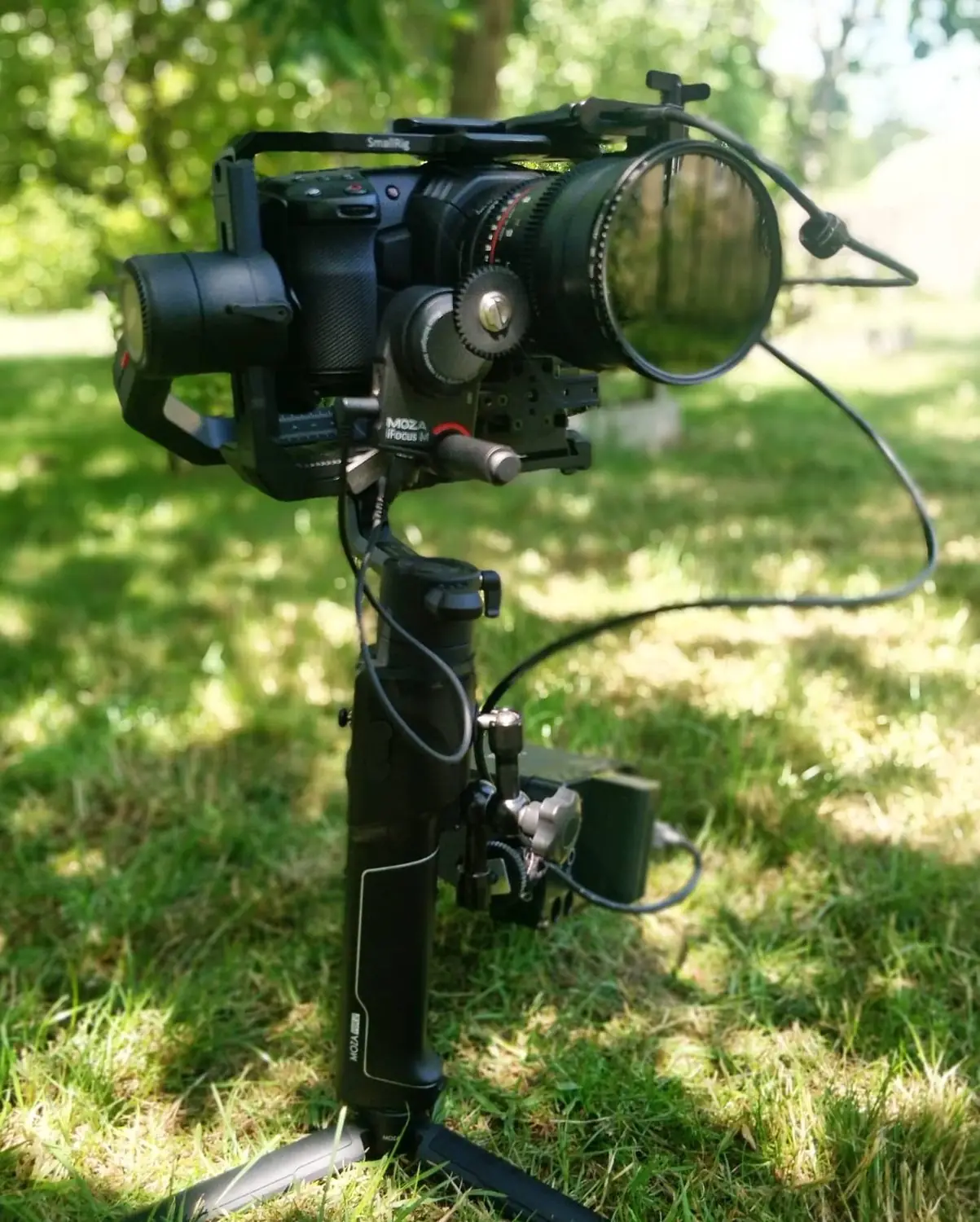
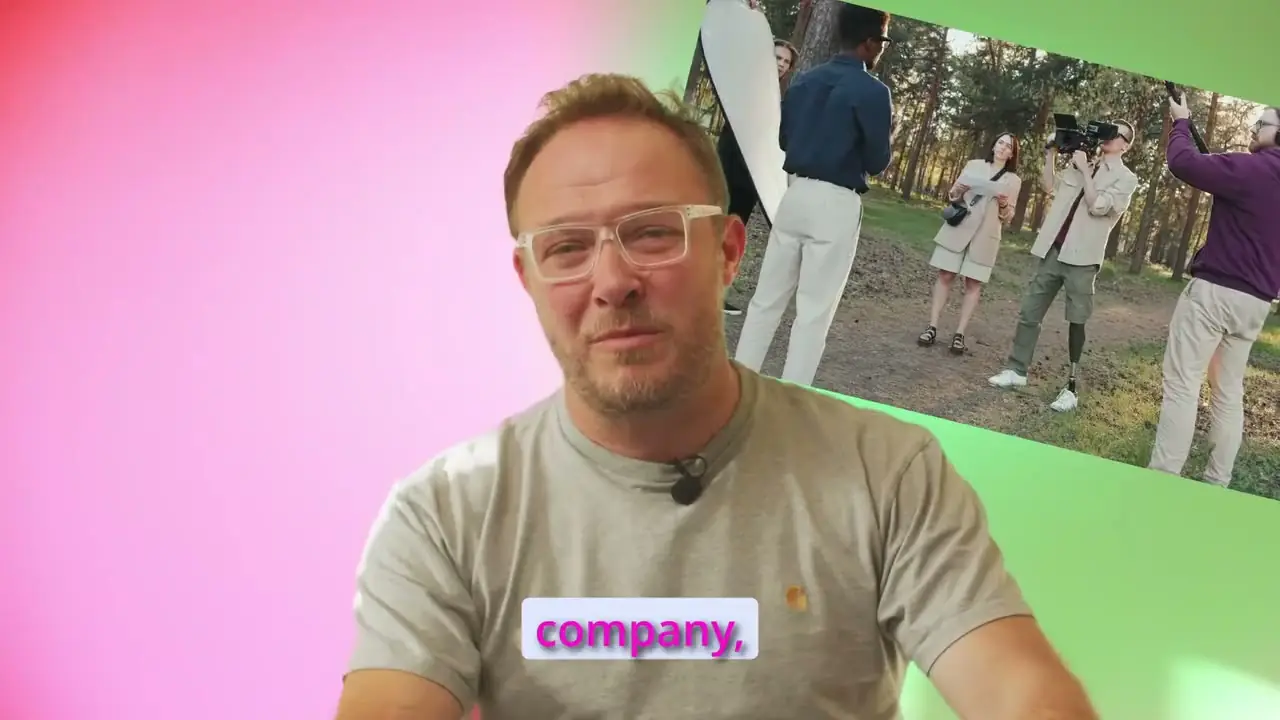

More films of this kind are on the promotional video production page.
Video on your website
The page most businesses forget to film for is their own website. A short film on the home page or the about page does the job a stranger's first phone call would: it shows who you are, what the place looks like and how you talk. On a service page, a ninety second testimonial sits next to the claim it backs up. Keep website video short, put a still frame on it that makes sense without sound, and make sure the page loads fast without it, because the film should help the page, not replace it.
Where to start if you're new to video
If you've never commissioned a film, our advice is the same every time. Start with the most specific job you can find, not with "we need a brand film" or "we should do more video".
If prospects don't understand what you do, that's an explainer. If they understand but don't trust you yet, it's a testimonial, and if you're losing candidates to better-known employers, it's a recruitment film. Solve one problem first, then see what else video can do, and the guide to types of corporate video will help you match the problem to the film. If you're not yet sure video is the next thing to do at all, how to promote your business sets out the order we'd work in.
What it comes down to
People respond to faces, voices and stories in a way they don't respond to a page of text, however well it's written. A film with a real person in it, talking straight about something that happened to them, gets through to people in a way copy struggles to.
The statistics are evidence for that. They aren't the reason it works.
FAQ
Is video marketing worth it for a small business?
Usually, if the film has one clear job, such as showing a prospect a happy client or explaining what you do. In Wyzowl's 2026 survey 82% of marketers using video said it gave them a good return, but that was down from 93% a year earlier, so a film made without a purpose is easy to waste money on.
What percentage of businesses use video for marketing?
91% of businesses use video as a marketing tool, according to Wyzowl's State of Video Marketing 2026, and 78% of B2B marketers use it, according to LinkedIn's 2025 B2B Marketing Benchmark.
Do people prefer video to text?
For learning about a product or service, most do. 63% of consumers in Wyzowl's 2026 survey said a short video was their first choice, against 12% for an article and 5% for a sales call.
What kind of video should a business make first?
Whichever matches the problem in front of you. If prospects don't understand what you do, an explainer. If they understand but don't trust you yet, a testimonial. If you're losing candidates to better-known employers, a recruitment film.
Bring us the problem. We'll make the film.
A thirty minute conversation with the team. No obligation.