
How to Promote Your Business: Where to Start, and Where Video Fits
The best way to promote a small business is to start where people already look for you and make each of those places prove you're good. In order, that means being easy to find, collecting reviews, making your website show real people and real work, picking one channel your buyers use and sticking with it, and asking for referrals. Advertising and video come after that, and they work far better once the basics are in place.
We make films for a living, so you might expect this guide to say "make a video" in the first line. It doesn't, because a film pointed at a business nobody can find, with no reviews and a website that says nothing, does very little. Here's the order we'd do it in.
Start with who you want and where they look
Before you spend anything, write down who your best customers are and how the last five of them found you. Most small businesses discover that the answer is two or three places: a recommendation, a Google search, LinkedIn, a local listing. Those are the places to get right first, because people are already arriving through them.
A business that sells to other businesses will usually find that referrals and LinkedIn matter most. A local service lives on Google Maps and reviews. A school or a charity lives on word of mouth and its own website. The plan follows from that, not from a list of every channel there is.
Be easy to find
Claim your Google Business Profile and fill in every field: what you do, the area you serve, opening hours, photos of the real place and the real people. Do the same on Bing Places, because Bing's index feeds Microsoft Copilot and ChatGPT's search. Then check that your name, address and phone number read exactly the same everywhere they appear.
This matters more than it used to. A growing share of people now ask an AI assistant "who's good for this near me" instead of searching, and those answers lean heavily on listings, reviews and what other sites say about you. A business with a complete profile and a steady run of reviews is far easier for those tools to recommend.
Get reviews, and show them
Reviews are the cheapest promotion there is, and the most persuasive. In BrightLocal's 2026 survey, 97% of consumers said they read reviews for local businesses. Research from Northwestern University's Spiegel Research Center found that a product with five reviews was 270% more likely to be bought than one with none, using real sales data rather than a survey.
So ask. The best moment is just after you've done something well, and the easiest way is a direct link to your review page in a short, personal email. Then put the best ones where people make decisions: on your website, next to your prices, in proposals.
Make your website do the selling
Most small business websites describe the business. The ones that work prove it. A stranger landing on your site wants to know quickly what you do, who it's for, roughly what it costs and whether other people like them were happy. Answer those four things on the home page and you're ahead of most of your competitors.
Use photos of your own people and your own work, not stock images. Say plainly what you charge, or give honest ranges, because a page that hides its prices loses the people who were ready to buy. And put a real customer on the page, in their own words, as close as possible to the claim they back up.
Pick one channel and stay with it
Trying to be everywhere is how most small businesses end up nowhere. Pick the one channel your buyers actually use and post there every week for six months before you judge it.
For business-to-business, that's usually LinkedIn, where the owner's own posts reach further than the company page. In LinkedIn's 2025 benchmark of 1,500 B2B marketers, 94% agreed that trust is the key to success in B2B, and trust on LinkedIn is built by people, not logos. For a shop, café or local service it's more often Instagram or a Facebook group. For anyone with existing customers, a short email every month is the most underrated channel of all, because those people already like you.
Ask for referrals and find partners
Your happiest customers will recommend you if you ask, and most businesses never do. Make it easy: tell them the kind of client you'd like more of, and thank them properly when someone gets in touch.
Then look for businesses that serve the same customers without competing with you. An accountant and a solicitor, a wedding venue and a florist, a school and a local sports club. A partner who mentions you to their clients is worth more than a month of posts.

Advertising, when the basics are working
Paid advertising multiplies whatever is already there. If people who find you don't call, ads will just bring more people who don't call. Once your profile, reviews and website are doing their job, a small, tightly targeted campaign on Google or LinkedIn is a sensible test. Set a budget you're happy to lose, measure enquiries rather than clicks, and stop anything that doesn't produce them within a couple of months.
The options side by side
| Option | Best for | How long it takes to work | What it needs from you |
|---|---|---|---|
| Google Business Profile and listings | Anyone with a location or service area | Weeks | An afternoon to set up, then photos and replies |
| Reviews | Every business | Builds steadily | The habit of asking after good work |
| A website that proves it | Every business | Immediate for visitors | Clear copy, real photos, a real customer |
| One social channel | Business owners willing to post weekly | Six months or more | Time, every week |
| Email to existing customers | Anyone with past clients | Immediate | One short email a month |
| Referrals and partners | Service businesses | Months | Asking, and thanking |
| Paid ads | Businesses whose basics already convert | Days to test | A budget you can afford to lose |
| Video | Businesses that need to be trusted by strangers | Months of use from one shoot | A clear purpose and a day of your time |

Where video fits
Video belongs on this list once people can find you and you know what's stopping them from getting in touch. It's the format people choose when they want to understand something and decide who to trust. YouTube reaches 94% of UK adults online, according to Ofcom, and in Wyzowl's 2026 survey 63% of consumers said a short video was how they'd most like to learn about a product or service.
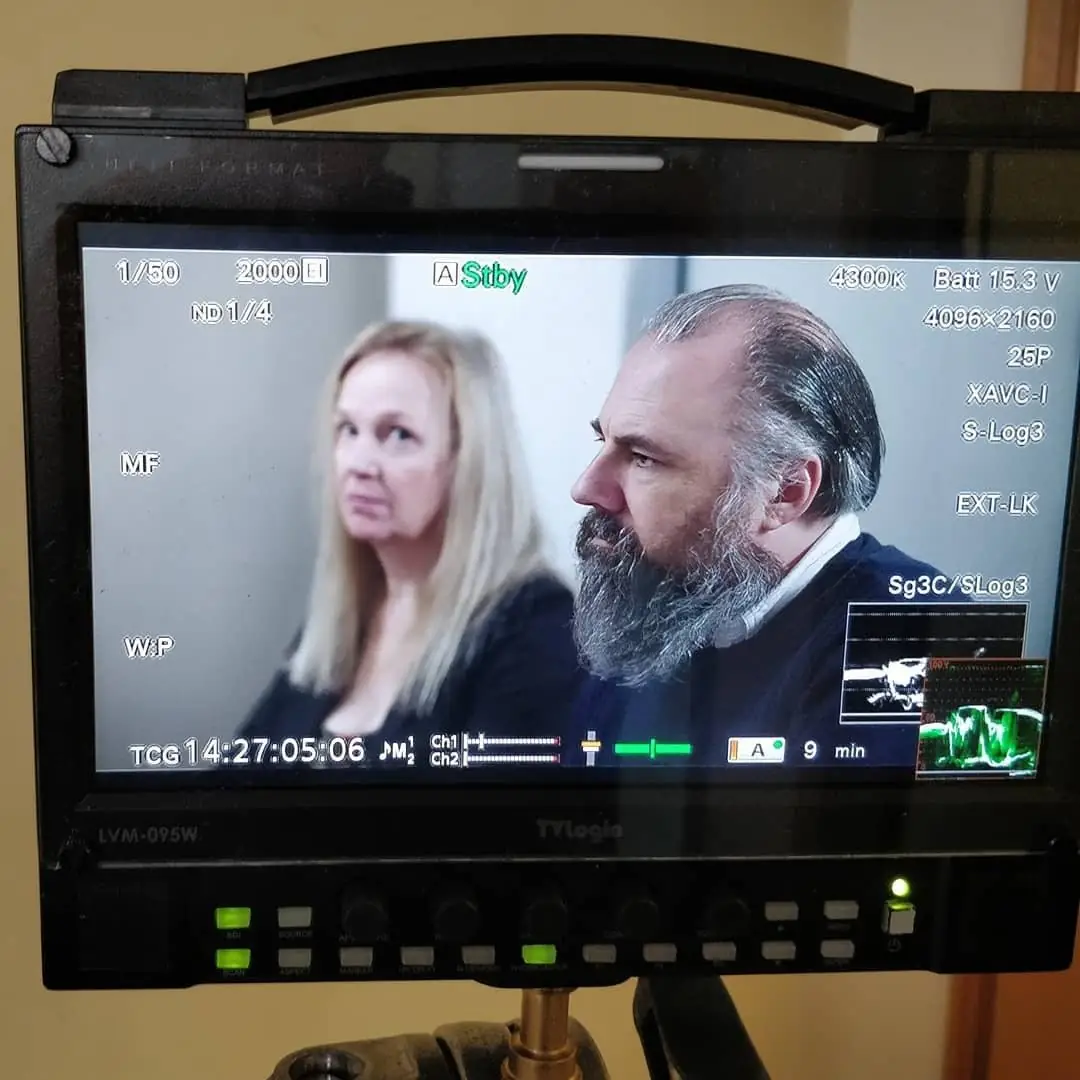
The first film most small businesses should make is a testimonial: one happy customer, talking about what changed. It does the job of a review, but with a face and a voice, and it can sit on your website, your LinkedIn and your proposals for years. That's the kind of film we made for ASK Partners. If prospects don't understand what you do, an explainer comes first instead. The guide to why video works for marketing has the figures behind it, the testimonial video page explains how a filming day runs, and the video production cost page shows what it costs.
FAQ
What is the best way to promote a small business?
Start where people already look for you. Claim your Google Business Profile, collect reviews, make sure your website shows real people and says what you charge, and ask happy customers for referrals. Add a social channel, advertising and video once those basics work.
How can I promote my business for free?
A complete Google Business Profile, a steady flow of reviews, regular posts on one social channel, a monthly email to past customers and asking for referrals all cost time rather than money.
How do I advertise my business locally?
Get your Google Business Profile and Bing Places listing complete and accurate, collect local reviews, join the local business groups and directories your customers use, and partner with nearby businesses that serve the same people.
Should a small business use video?
Yes, once the basics are in place and the film has one clear job. A customer testimonial is usually the best first film, because it does what a review does with a face and a voice.
How long does it take to see results from marketing a small business?
Listings and website fixes help within weeks. Reviews, social media and referrals build over months, which is why it pays to pick a few things and keep doing them rather than trying everything at once.
Bring us the problem. We'll make the film.
A thirty minute conversation with the team. No obligation.