
How to Brief a Video Production Company
A good brief takes about half an hour to write. A bad one can cost thousands in wasted shoot time, extra rounds of changes and a film that doesn't quite do the job it was meant to.
We've been handed briefs that were three sentences long and briefs that ran to twenty pages, and length was never the problem in either. What matters is how specific it is. A three-line brief that says exactly what the film has to do is worth more than a document full of brand guidelines and adjectives.
What a good brief does
A brief has one job, which is telling the production company enough to make the right film. Most briefs miss in one of two directions. Some say too little, with a vague objective and no idea who's watching. Others say too much of the wrong thing, like the company history and a long list of messages that won't fit in three minutes.
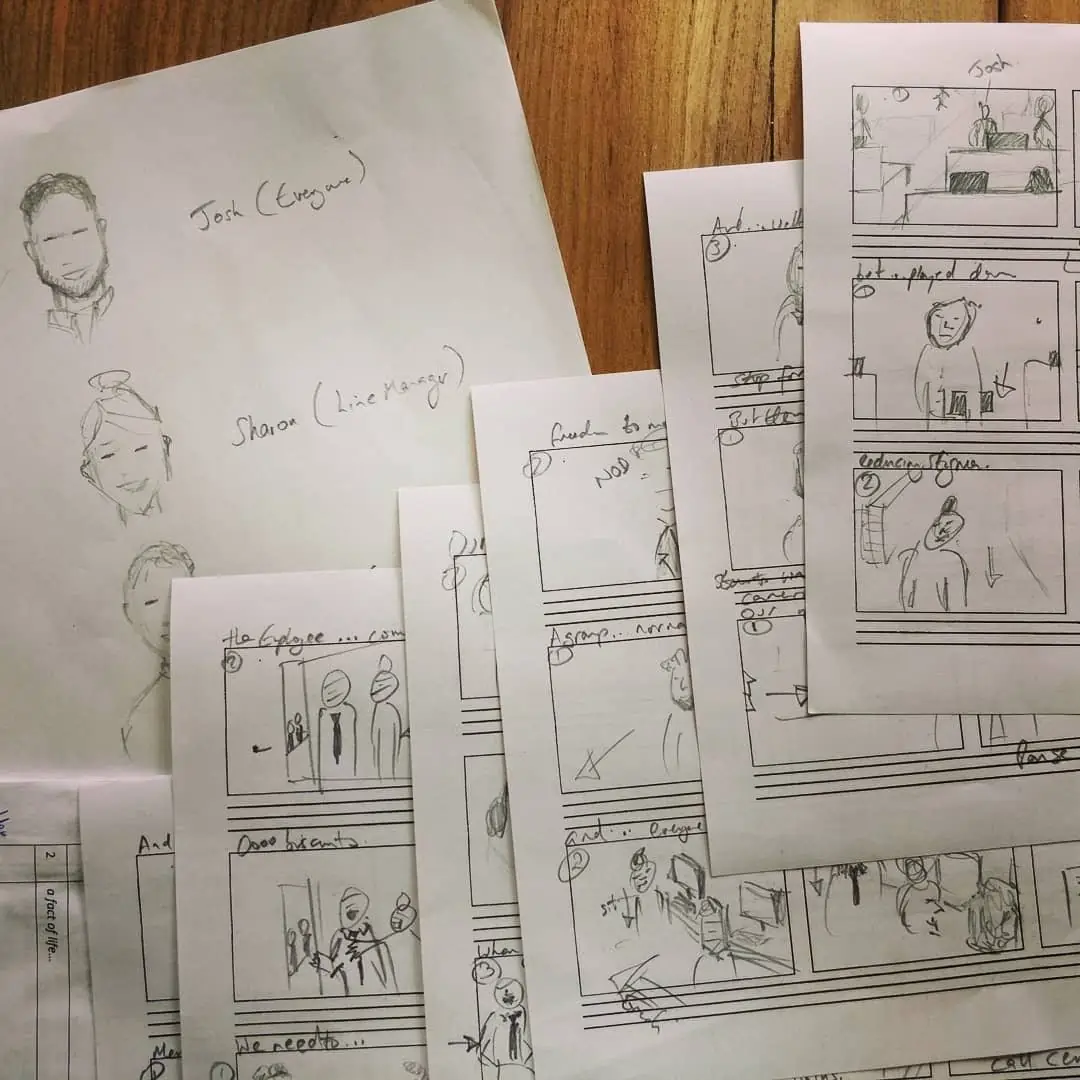
Our job is to turn your brief into a treatment, which is a written proposal for how we'd make the film. The better the brief, the better the treatment, and the better the treatment, the more likely the film lands.
What we need to know
The objective. What does this film have to do? "Raise brand awareness" is too vague to act on. "Get fintech companies who've never heard of us to understand what we do and get in touch" is useful. "Cut the time our sales team spends explaining the product on the first call" is better still.
The audience. Who's watching, and where will they come across it? It helps to know what they already think about you and what you'd like them to think when it ends. A film for your own staff is a different brief from one for cold prospects, even when it's about the same company.
The budget. Please tell us. We know it feels like you're giving something away, but a production company that knows the budget can tell you straight what's possible, instead of proposing something you can't afford and then negotiating down. The video production cost page shows where films usually sit if you're not sure what to expect.
The deadline. Is there a real date, like a launch or a conference, or is it a preference? A real deadline shapes the plan. A soft one is useful to know, but it shouldn't squeeze the schedule in a way that adds cost and takes away quality.
What you've already got. Old films, photography, event footage and brand guidelines can all save shoot time and keep the new film consistent with what's out there.
What to leave out
Long sections of company history won't make it into the film, so they don't need to be in the brief. Neither does a long list of messages. If there are more than two or three, the brief is trying to do too much, and it's better to find that out before anyone picks up a camera.
Leave out adjectives like dynamic, inspiring and authentic, because every brief asks for them and they don't help anyone decide anything. And skip the production spec. Asking for drone shots and interviews before we've talked about what the film is for is jumping a step, and working that out is our job.
A brief you can copy into an email
You don't need a formal document. A clear email that answers these is enough to start a proper conversation.
What's the film for? One sentence on what it has to achieve.
Who'll watch it, and where? Your homepage, a sales deck, LinkedIn, a screen at a conference, or somewhere internal.
How long should it be? A rough idea is fine, or just the format you have in mind.
What's the budget? A range is fine.
When do you need it? And whether that date can move.
Anything fixed? Compliance rules, people who must or mustn't appear, footage you'd like used, or guidelines we need to follow.
Films you like. A couple of examples, with a line on what you like about each one.
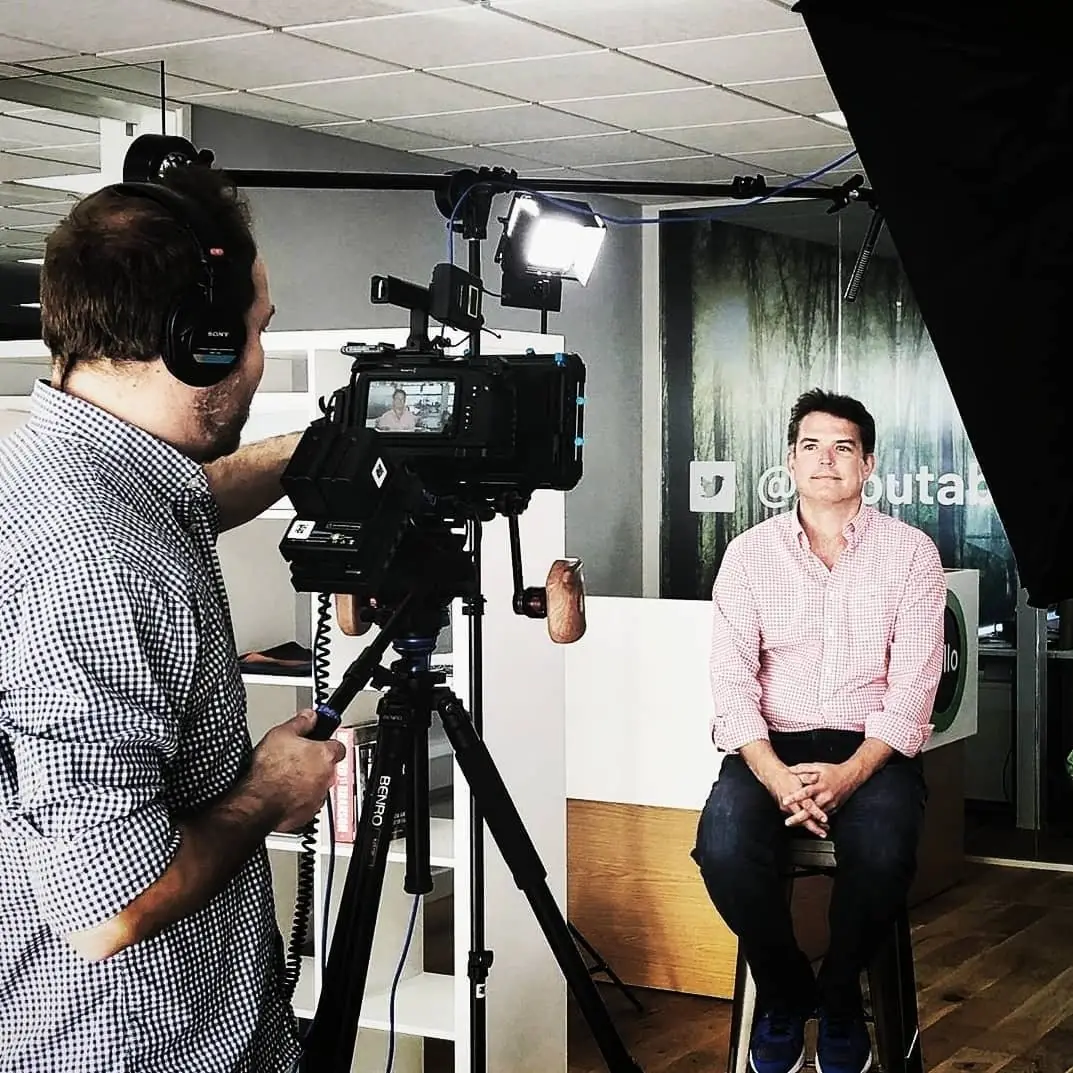
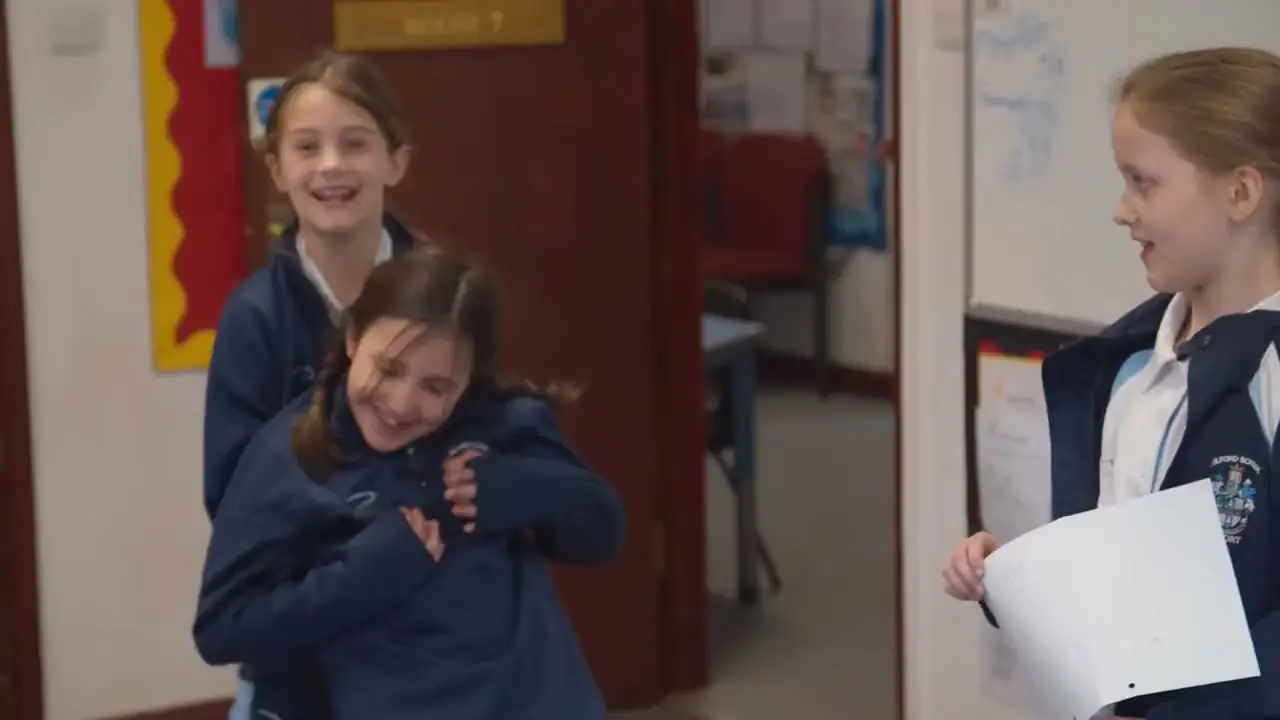
More films of this kind are on the video strategy page.
What happens next
A good production company answers a brief with a treatment. It should describe the structure, the tone, how the film will look and the main creative decisions. It should read like an answer to your brief, not a template with your company name pasted in.
If the treatment surprises you, that's often a good sign, because it means somebody has thought about your problem and come back with an idea of their own. It's a starting point for a conversation, so if something isn't right, say so. That's what the treatment stage is for.
The best briefs are the candid ones
The best films we've made came from clients who were straight with us in the brief. They told us the real objective as well as the official one, or that the film had to work for recruitment too, or that the people who mattered were investors rather than customers.
They also told us the awkward things. The budget that's lower than they'd hoped, the person who's nervous on camera, the message that's been rewritten three times already. All of that helps, because a brief is the start of a conversation and nobody's marking it.
Bring us the problem. We'll make the film.
A thirty minute conversation with the team. No obligation.